

Runner's knee, or patellofemoral pain, is an ache around or behind the kneecap that gets worse with stairs, squatting, running or sitting for a long time with your knees bent. It usually comes from loading the knee more than it is ready for. The best-supported treatment is exercise, especially a combination of hip and knee strengthening, which an international consensus recommends over knee exercises alone.
Key Takeaways
- Runner's knee is pain around or behind the kneecap. It is not only a running injury: stairs, squats, hills and long sitting often trigger it too.
- It usually reflects load the knee is not ready for, rather than damage to the joint.
- A 2016 international consensus recommends exercise therapy, and specifically combining hip and knee exercises in preference to knee exercises alone.
- Hands-on treatment of the knee on its own, and passive machines, are not recommended by that consensus. Exercise is the core of the plan.
- Most people can keep some activity going while they recover by adjusting how much and how often, rather than stopping completely.
In This Article
Runner's knee, or patellofemoral pain, is an ache around or behind the kneecap that flares with stairs, squats, running, hills or long periods of sitting with bent knees. The best-supported treatment is a strengthening program that works the hips as well as the knee.
It is one of the most common reasons people come to physiotherapy with knee pain, and it is very treatable. It is also frequently mismanaged with complete rest, which rarely fixes it.
What It Feels Like
Patellofemoral pain is usually:
- A dull ache around, under or behind the kneecap
- Worse going down stairs or hills, squatting, kneeling or jumping
- Worse after sitting for a while with your knees bent, such as a long drive or a movie
- Sometimes accompanied by clicking or grinding that is not painful in itself
It usually comes on gradually rather than from a single twist or blow.
Why It Happens
Your kneecap glides in a groove at the front of the thigh bone, and the joint behind it takes a lot of force when you bend your knee under load. Patellofemoral pain generally shows up when the load on that joint rises faster than your body has adapted to it.
Common triggers include:
- A jump in running mileage, speed or hill work
- Starting a new class or training block with lots of squats, lunges or jumping
- Coming back to sport after time off
- Weakness around the hip and thigh, which changes how the knee is loaded
The good news is that this is a load problem, not usually a sign that the joint is wearing out, and load problems respond to a well-planned change in load.
What the Evidence Recommends
In 2016, an international group of patellofemoral pain researchers published a consensus statement on physical treatments, based on the best available trials. Its main recommendations were:
- Exercise therapy is recommended to reduce pain and improve function in the short, medium and long term.
- Combining hip and knee exercises is recommended, and should be used in preference to knee exercises alone.
- Combined interventions (exercise plus other supports, such as taping or foot orthoses) are recommended in the short and medium term.
- Foot orthoses can reduce pain in the short term.
- Knee, patellofemoral and lumbar mobilisations on their own are not recommended, and electrophysical agents (passive machines) are not recommended.
In plain terms: the core of the treatment is getting stronger, especially around the hip, not passive treatment on the knee itself.
What a Physio Plan Looks Like
A physiotherapy assessment starts by ruling out other causes of knee pain, then looks at how you move: how you squat, step down, land and run, how strong your hips and thighs are, and what your training has looked like in the past couple of months.
From there, a typical plan includes:
- Load adjustment. Not total rest. You reduce the activities that flare it, such as hills or long runs, and keep doing what you comfortably can.
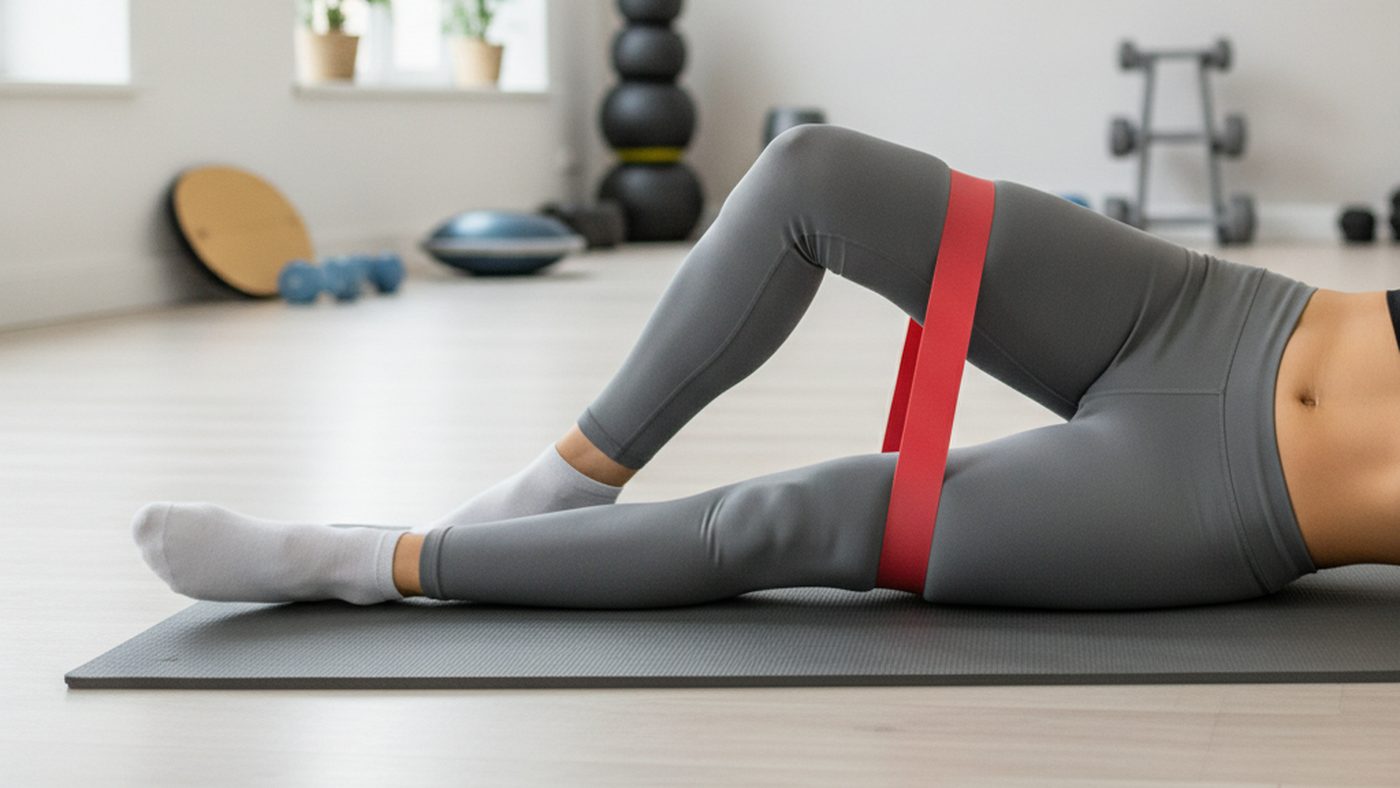
- Hip strengthening. Side-lying and banded hip work, then standing and single-leg exercises.
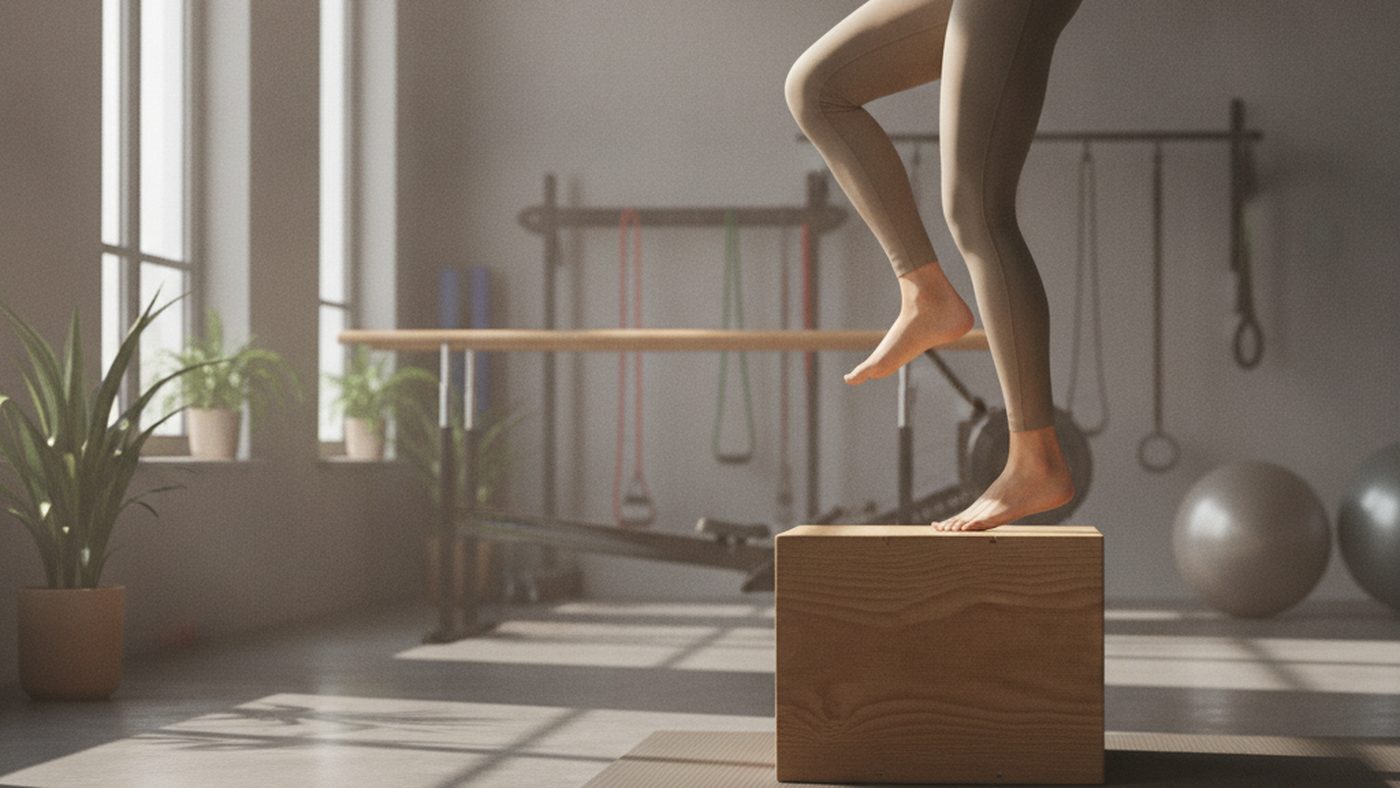
- Knee strengthening. Controlled squats, step-downs and similar exercises at a depth and load your knee tolerates.
- Short-term symptom support where it helps, such as taping or foot orthoses alongside the exercise program.
- A graded return to running or sport, with clear steps rather than guessing.
A useful rule while you recover: mild discomfort during exercise that settles by the next day is generally acceptable. Pain that builds during the session or is worse the next morning means the load was too much, so scale back.
When to Get It Looked At Sooner
Book an assessment rather than waiting it out if:
- The pain started with a twist, pop or fall
- Your knee is visibly swollen, locks or gives way
- You cannot put weight through the leg
- The pain is not improving after a few weeks of sensible changes
These point towards other knee problems that need a proper diagnosis. If you are coming back from any injury, our guide to returning to exercise after an injury covers how to rebuild without setting yourself back.
Knee Pain Physiotherapy in Keswick
Autumn is a popular time to pick running back up around Lake Simcoe, and a common time for knees to object. Physiotherapy at Anchor Health & Fitness treats knee pain, sports injuries and return-to-sport rehab, and our physiotherapists work in the same building as our fitness team, so the strength work can carry straight on into your training. If you would rather build that strength with a coach once your knee has settled, personal training at Anchor can pick up where physio leaves off.
You can book directly without a referral. Get in touch if you have questions first. We are on The Queensway South in Keswick and see clients from across Georgina.
References
- Crossley KM, van Middelkoop M, Callaghan MJ, Collins NJ, Rathleff MS, Barton CJ. 2016 Patellofemoral pain consensus statement from the 4th International Patellofemoral Pain Research Retreat, Manchester. Part 2: recommended physical interventions. British Journal of Sports Medicine, 2016.
Ready When You Are
Book an assessment at our Keswick clinic
No referral needed. Most extended health benefit plans provide coverage, and we direct bill where possible.