

TMJ dysfunction, more accurately called temporomandibular disorder (TMD), is pain or restricted movement in the jaw joint and the chewing muscles around it. For many people the symptoms ease on their own or with simple self-care: softer foods, heat or cold with gentle jaw exercises, and cutting back on clenching and gum chewing. If jaw pain keeps coming back or limits how you eat and talk, conservative hands-on care from a physiotherapist or Registered Massage Therapist is a reasonable next step, and irreversible treatments should only be considered after a careful conversation about risks and alternatives.
Key Takeaways
- TMJ is the joint itself. The problem most people mean is TMD, which can involve the joint, the chewing muscles, or both.
- The most common symptom is pain in the chewing muscles or the jaw joint. Clicking only matters much when it is painful or comes with locking.
- Daytime habits such as clenching, gum chewing and nail biting add load to an already irritated jaw.
- Many cases settle without treatment. Start with conservative self-care before anything that permanently changes your teeth, bite or joint.
- Physiotherapists and RMTs assess jaw movement, the surrounding muscles and the neck, then combine hands-on work with exercises and habit changes.
In This Article
TMJ dysfunction is pain, stiffness or restricted movement in the jaw joint and the chewing muscles that work it. For many people the symptoms ease on their own or with simple self-care, and when they do not, conservative care such as jaw exercises and hands-on treatment is the sensible next step before anything irreversible.
If your jaw aches after a long workday, clicks when you yawn, or has started giving you headaches, here is what is likely going on, what you can do about it at home, and when it is worth booking an assessment.
What TMJ Dysfunction Actually Is
The temporomandibular joint (TMJ) is the hinge where your lower jaw meets your skull, one on each side, just in front of your ears. You use both every time you talk, chew, yawn or swallow.
Strictly speaking, "TMJ" is the joint, and the problem is called a temporomandibular disorder, or TMD. The term covers pain in the chewing muscles, problems inside the joint itself, or a mix of both.
It is not rare. The U.S. National Institute of Dental and Craniofacial Research (NIDCR) reports that "TMD affects about 5% of adults in the U.S." and that "TMDs are twice as common in women than in men."
Common Symptoms of TMJ Dysfunction
According to the NIDCR, the most common symptom is pain in the chewing muscles and/or the jaw joint. Other signs include:
- Pain that spreads to the face or neck
- Jaw stiffness, especially first thing in the morning
- Limited movement or locking of the jaw
- Painful clicking, popping or grating in the jaw joint
- Ringing in the ears, hearing loss or dizziness
Notice the word painful in that list. Plenty of jaws click without causing any trouble. A click matters more when it hurts, when it is new, or when it comes with the jaw catching or locking.
Ear symptoms deserve a note of caution. They can be part of TMD, but other conditions cause them too, so have them checked by a doctor rather than assuming.
Habits That Load the Jaw

Your chewing muscles do not only work at mealtimes. The NIDCR advises people with TMD to "reduce habits such as jaw clenching, gum chewing, or nail biting," and most of those happen without you noticing.
Try a few check-ins through the day. Are your back teeth touching while you concentrate on a screen? Are you leaning your chin on your hand? Is your jaw tight by the end of the drive home up the 404? Many clinicians teach a simple resting position: lips gently together, teeth slightly apart, tongue resting on the roof of the mouth.
Self-Care That Helps Many People

The encouraging part first. The NIDCR notes that "signs and symptoms of TMD go away without treatment for many people." While you give it that chance, its self-care advice is practical:
- Eat soft foods for a while. Oatmeal, eggs, soup, yogurt and cooked vegetables instead of bagels, steak, raw carrots and chewy candy.
- Use heat or cold with gentle exercise. The NIDCR suggests you "apply heat or cold to the face in combination with exercises to gently stretch and strengthen the jaw muscles."
- Cut back on the habits above, especially gum chewing and clenching.
- Ask your pharmacist or doctor whether an over-the-counter pain reliever is appropriate for you.
Be Careful With Irreversible Treatments
Some treatments for jaw pain permanently change things. The NIDCR's guidance is clear: "Before considering irreversible treatments, such as surgery, TMJ implants, or treatments that permanently change the teeth, bite, or jaw joints, discuss the potential benefits, risks, and alternatives."
In practice, that means starting with the conservative options: self-care, exercises and hands-on care. Your dentist is an important part of that picture too, particularly if grinding at night is part of the problem.
How Physiotherapy and Massage Therapy Approach Jaw Pain
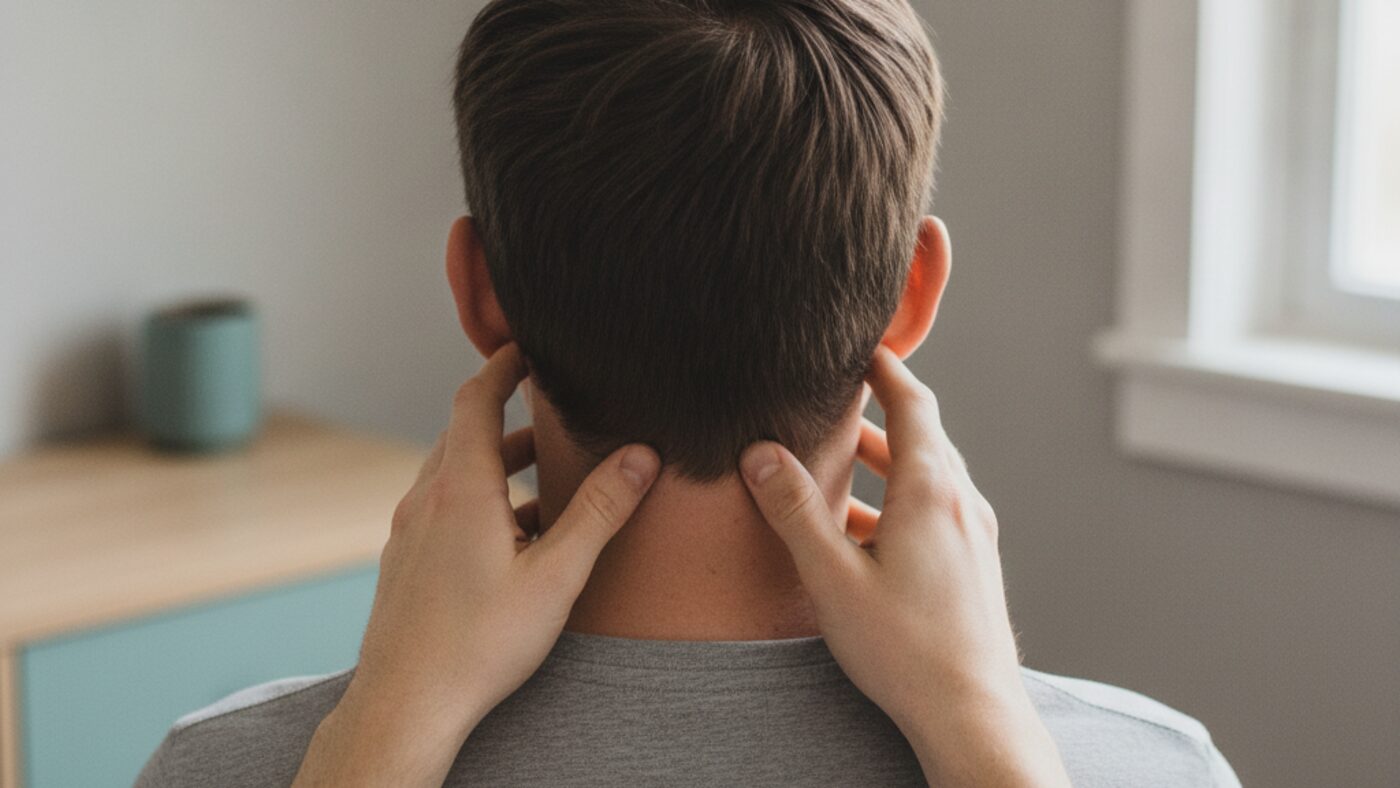
A physiotherapist or Registered Massage Therapist starts with an assessment rather than a technique. Expect them to look at:
- How far your mouth opens, and whether the jaw shifts to one side as it does
- The chewing muscles at the side of the face and temples
- Your neck and upper back, since neck tension and jaw pain often travel together
- Your habits, sleep, stress and work setup
Treatment usually combines hands-on work to ease overworked muscles, exercises to restore smooth, comfortable movement, and practical changes to the habits that keep irritating the joint. Some practitioners are trained in intraoral techniques, working on the chewing muscles from inside the mouth with gloved hands. That is always explained first and done only with your consent.
How much and how quickly treatment helps varies. A good practitioner will tell you what they expect, reassess as you go, and refer you on if your jaw is not responding.
When to See Your Dentist or Doctor First
Hands-on care is not the first stop for everyone. See a dentist or physician before booking if:
- Your jaw has locked open or closed and will not release
- The pain started after a fall or a blow to the face
- There is swelling, redness or a fever
- Your bite suddenly feels different
- You have numbness, hearing loss or dizziness
TMJ Care at Anchor in Keswick
At Anchor, jaw pain can be looked at from more than one angle under the same roof on The Queensway South. Frank Huang, one of our physiotherapists, lists TMJ dysfunction, jaw pain and headaches among his areas of focus. Among our Registered Massage Therapists, Erick Lacey offers intraoral treatment for TMJ dysfunction, and Sean Najmabadi works with TMJ and tension headaches. If you have never had a registered massage before, our guide to your first massage therapy appointment explains how consent and draping work.
For people in Keswick, Sutton and across Georgina, that means one assessment can lead straight to the right practitioner without starting over at another clinic.
You can read more about physiotherapy in Keswick or registered massage therapy, or call us at (905) 535-4449 and we will help you decide who to see first.
Ready When You Are
Book an assessment at our Keswick clinic
No referral needed. Most extended health benefit plans provide coverage, and we direct bill where possible.