
For most adults, no. OHIP funds physiotherapy, including pelvic floor physiotherapy, only for people who are 65 or older, 19 or under, recently discharged after an overnight hospital stay or day surgery, or receiving Ontario Works or ODSP, and only at government-funded community clinics. Everyone else usually pays through extended health benefits, where pelvic floor physio is claimed as regular physiotherapy, or a Health Spending Account.
Key Takeaways
- Pelvic floor physiotherapy is physiotherapy, so it follows the same OHIP rules: four eligible groups, at government-funded community clinics only.
- On an extended health plan it is usually claimed under your physiotherapy benefit. There is rarely a separate pelvic health line.
- Your physio maximum is shared, so a sports injury earlier in the year can use up money you planned for pelvic floor care.
- You do not need a doctor's referral to see a physiotherapist in Ontario, but some insurance plans ask for one before they reimburse.
- Physiotherapy fees your plan does not cover can count toward the federal medical expense tax credit.
In This Article
For most adults in Ontario, pelvic floor physiotherapy is not covered by OHIP. OHIP funds physiotherapy only for a few groups at government-funded community clinics, so most people pay through extended health benefits, where pelvic floor physio is claimed as regular physiotherapy.
That second part is the one that catches people out. Pelvic floor care does not have its own benefit line on most plans. It shares a pot with every other physio visit you make that year.
Pelvic Floor Physio Follows the Same OHIP Rules as Any Physio
Pelvic floor physiotherapy is a branch of physiotherapy. It is delivered by a registered physiotherapist with extra training in the pelvic floor muscles, so for funding purposes it is treated like any other physio visit.
According to the Government of Ontario, with a valid health card you can receive government-funded physiotherapy if you are:
- 65 years or older
- 19 years or under
- Any age, after an overnight hospital stay or an outpatient or day surgery procedure within the last 12 months, for a condition that requires physiotherapy
- A recipient of Ontario Works or the Ontario Disability Support Program (an OHIP card is not required for this group)
The funding is tied to designated community physiotherapy clinics, not to physiotherapy in general. If you fit one of those groups, the province's directory of government-funded clinics is where to start. Ask the clinic directly whether they offer pelvic floor physiotherapy, because not every funded clinic has a pelvic health physio on staff.
The College of Physiotherapists of Ontario also notes that "you do not need a referral to receive care at a Community Physiotherapy Clinic." Both sources are listed at the end of this post.
What About After Having a Baby?
Giving birth does not open a separate OHIP route for pelvic floor care. The hospital-stay rule is the one that can apply: if you stayed in hospital overnight for the birth and your condition needs physiotherapy, you may qualify for funded physio at a participating clinic within the following 12 months.
In practice, funded care is limited to participating clinics, and the program is built around recovery after a recent illness, injury or surgery. Many new parents start pelvic floor physio around six weeks after birth, and if you do not qualify, or the nearest funded clinic has no pelvic health physio, your benefits are the usual route.

How Extended Health Benefits Cover Pelvic Floor Physio
For most working-age adults in Keswick, Sutton and the rest of Georgina, extended health benefits through an employer or a spouse's employer are how pelvic floor physiotherapy gets paid for. Here is how it usually works.
It comes out of your physiotherapy benefit. Plans list physiotherapy as a paramedical benefit. Pelvic floor physio is billed as physiotherapy because that is the profession providing it, so it draws from the same annual maximum.
The maximum is shared. If you saw a physio for a shoulder or a knee earlier in the year, those visits came out of the same amount. Check your remaining balance before you plan a course of pelvic floor treatment.
A percentage is paid per visit. Many plans pay a set percentage of each visit up to a per-visit or yearly limit. The rest is yours to pay, or to claim on a second plan if you are covered under a spouse's benefits too.
Some plans want a referral. You do not need one to book a physiotherapist in Ontario, but a few insurers ask for a physician's note before they reimburse. It is worth one phone call before your first visit.
Health Spending Accounts
Some employers give a set amount each year for eligible health expenses. It can pay for physiotherapy on its own, or top up what your regular plan leaves behind. If you have one, it is often the easiest way to cover the difference.
Questions to Ask Your Insurer Before You Book
These five questions take about five minutes and save surprises at the front desk:
- Is physiotherapy covered, and what is my annual maximum?
- How much of that maximum have I already used this year, and when does it reset?
- What percentage of each visit is paid, and is there a per-visit limit?
- Do you need a doctor's referral to reimburse physiotherapy?
- Does the clinic need to bill you directly, or do I pay and submit the receipt?
If you are covered on two plans, ask the second insurer the same questions. Combining plans can cover more of each visit.
If You Pay Out of Pocket
The Canada Revenue Agency lists physiotherapists as authorized medical practitioners for Ontario. That means physiotherapy fees your plan does not reimburse can generally count toward the medical expense tax credit on your federal return. Keep your receipts, and ask a tax professional how it applies to your situation.
What a Pelvic Floor Physiotherapy Visit Covers
Whether you pay through OHIP, benefits or privately, the visit itself is the same kind of care. A first appointment usually includes a conversation about your symptoms, history and goals, then an assessment of how your pelvic floor and surrounding muscles are working, and a plan you can start at home.
Pelvic floor physiotherapy is used for:
- stress incontinence, the leaking that happens when you cough, sneeze, laugh or jump
- pelvic organ prolapse and the feeling of heaviness or pressure that comes with it
- pelvic pain
- recovery after pregnancy and birth
- rehab before and after pelvic surgery
The assessment is private, and your physiotherapist explains each step before it happens. You can ask questions or pause at any point.
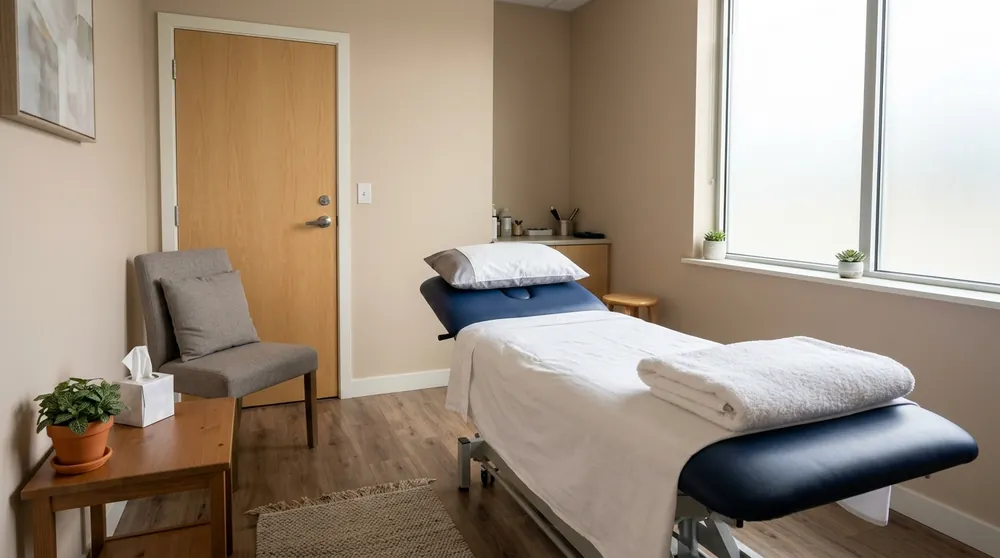
Pelvic Floor Physiotherapy at Anchor in Keswick
At Anchor Health & Fitness, pelvic floor physiotherapy is provided by our pelvic floor physiotherapist, Avishan Rafati. It is covered by most extended health plans as physiotherapy, and we offer direct billing to most major insurers where possible. Where we cannot bill directly, we accept major credit cards, debit and cash.
Because our clinic and fitness studio share one building, your pelvic floor plan can link up with a safe return to exercise, including our GROWCO postnatal rehab program if you are recovering after a baby.
For a broader look at how physio funding works for every type of visit, read our guide to whether physiotherapy is covered by OHIP.
Not sure what your plan covers? Contact our front desk before you book and we will help you check. We are at 443 The Queensway South in Keswick, a short drive from Sutton, Jackson's Point and Pefferlaw.
References
- Physiotherapy clinics (government-funded), Government of Ontario
- Government-Funded (OHIP) Physiotherapy, College of Physiotherapists of Ontario
- Authorized medical practitioners for the purposes of the medical expense tax credit, Canada Revenue Agency
Ready When You Are
Book an assessment at our Keswick clinic
No referral needed. Most extended health benefit plans provide coverage, and we direct bill where possible.