
Postpartum Fitness Georgina: A Realistic Guide for New Moms
Welcoming a new baby into the world is one of life’s most beautiful and overwhelming experiences. Between sleepless nights, endless diaper changes, and learning how to care for your little one, finding time for yourself can feel completely impossible. If you are looking to navigate postpartum fitness in Georgina, you are not alone in wondering where or how to begin. Getting back to exercise after baby is not about "bouncing back" to a pre-pregnancy body; it is about rebuilding your strength, reclaiming your energy, and prioritizing your mental health.
In this comprehensive guide, we will walk you through a realistic, safe, and effective approach to postnatal workouts. Whether you want to stroll along Lake Drive or join a structured class, Anchor Health and Fitness Centre is here to support your journey. Let's explore how you can safely return to the activities you love.
The Reality of Postpartum Fitness in Georgina
The modern narrative around motherhood often pressures women to instantly return to their pre-baby shape. For moms in Georgina balancing family life, work, and personal well-being, this pressure is both unrealistic and unhealthy. The reality of postpartum fitness is that it requires patience, grace, and a deep understanding of what your body has just endured.
Your body spent nine months shifting organs, expanding tissue, and changing its center of gravity to grow a human being. The recovery process requires time. Instead of rushing into high-intensity interval training or heavy lifting, your focus should be on foundational healing. Safe postpartum exercises are built on rehabilitation, stability, and slow progression.
For local moms, the goal should be functional fitness. You need strength to safely lift a car seat, endurance to pace the floors at 2:00 AM, and mobility to comfortably get up and down from the playroom floor.
When is it Safe to Start Postpartum Fitness in Georgina?
One of the most common questions new mothers ask is when they can officially begin working out again. The answer is highly individualized, but there are standard medical guidelines and physiological markers you should follow.
Breaking Down the 6-Week Clearance Rule
Traditionally, doctors provide clearance for exercise at the six-week postpartum checkup. However, this clearance simply means your uterus has returned to its normal size and major tissues have healed. It does not mean your body is ready to run a marathon or jump into a heavy weightlifting routine.
Think of the six-week mark as the beginning of your rehabilitation phase, not the finish line of your recovery. If you had a Cesarean section, a complicated delivery, or experienced significant tearing, your timeline may look completely different. Always consult with your healthcare provider before beginning any new physical activity.
Listening to Your Body's Signals
Even after you receive medical clearance, your body will dictate your pace. Watch for red flags that indicate you are pushing too hard too soon. These warning signs include:
Increased postnatal bleeding or a return to bright red bleeding
Feelings of heaviness, bulging, or pressure in your pelvic region
Sharp pain in your abdomen, lower back, or joints
Urine leakage during movement or exertion
Extreme fatigue that lasts for days after a light workout
If you experience any of these symptoms, scale back your intensity immediately and consult a pelvic floor physiotherapist.
Understanding Your Post-Baby Body
Before jumping into a group fitness schedule, it is vital to understand the structural changes that occurred during pregnancy. Two specific areas require your utmost attention: your pelvic floor and your abdominal wall.
The Importance of Pelvic Floor Recovery
Your pelvic floor is a hammock of muscles that supports your bladder, uterus, and bowels. During pregnancy, the extra weight places immense stress on these muscles. During a vaginal delivery, they are stretched significantly.
Pelvic floor recovery is the absolute foundation of postpartum fitness. Ignoring this area can lead to long-term issues like incontinence, pelvic organ prolapse, and chronic lower back pain. Before you do a single crunch or go for a jog, you must ensure your pelvic floor can handle intra-abdominal pressure. Deep diaphragmatic breathing and gentle Kegel exercises are usually the safest starting points.
What You Need to Know About Diastasis Recti
Diastasis recti is the partial or complete separation of the rectus abdominis-the "six-pack" muscles-which meet at the midline of your stomach. This separation is a normal and necessary part of pregnancy to make room for your growing baby.
However, postpartum, this gap needs to close and regain tension. Traditional core exercises like sit-ups, crunches, and planks can actually worsen diastasis recti by pushing the abdominal contents outward against the weakened connective tissue. Diastasis recti safe workouts focus on deep core engagement, specifically targeting the transverse abdominis, to pull the muscles back together like a corset.
Essential Steps for Safe Exercise After Baby
Returning to fitness is a step-by-step process. Skipping steps can lead to setbacks and injuries. Here is the realistic progression for new moms.
Step 1: Start with Breathwork
The very first exercise you can do, often within days of giving birth, is diaphragmatic breathing. Pregnancy alters your breathing patterns, pushing your breath shallow and into your chest. Relearning how to breathe deeply into your ribs and belly helps reconnect your brain to your deep core and pelvic floor.
How to do it: Lie on your back with your knees bent. Inhale deeply through your nose, allowing your ribcage to expand laterally and your belly to rise softly. As you exhale through your mouth, gently lift your pelvic floor and draw your belly button toward your spine.
Step 2: Incorporate Gentle Movement
Once you have mastered your breathwork, begin adding gentle movement. Focus on mobility to relieve the stiffness that comes from nursing, rocking, and carrying a newborn. Neck stretches, shoulder rolls, and gentle spinal twists can work wonders for your posture and comfort.
Step 3: Gradually Increase Resistance
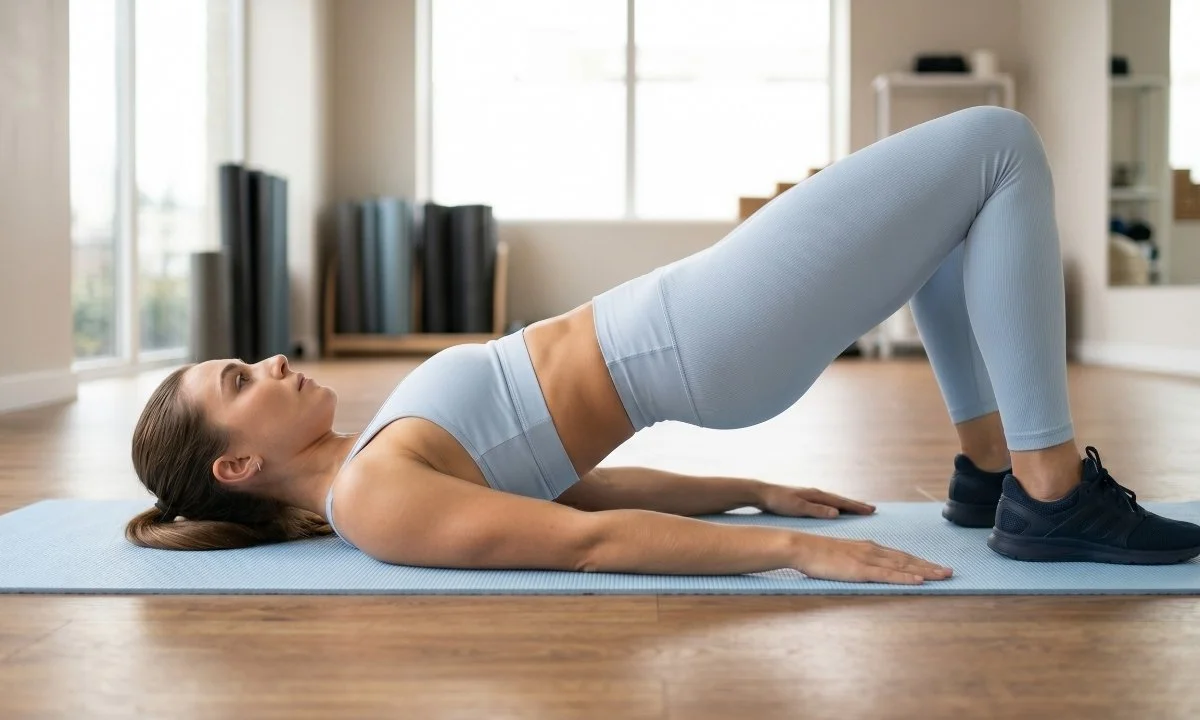
Around the 8-to-12-week mark, depending on your healing, you can begin adding light resistance. Bodyweight exercises like glute bridges, modified wall push-ups, and bodyweight squats are excellent for rebuilding foundational strength. The key is to match your exertion with your breath-always exhaling on the hardest part of the movement to protect your pelvic floor.
The Best Postnatal Workouts to Begin With
If you are eager to get moving, here are the best, safest options for new moms in the area.
Walking the Trails of Georgina
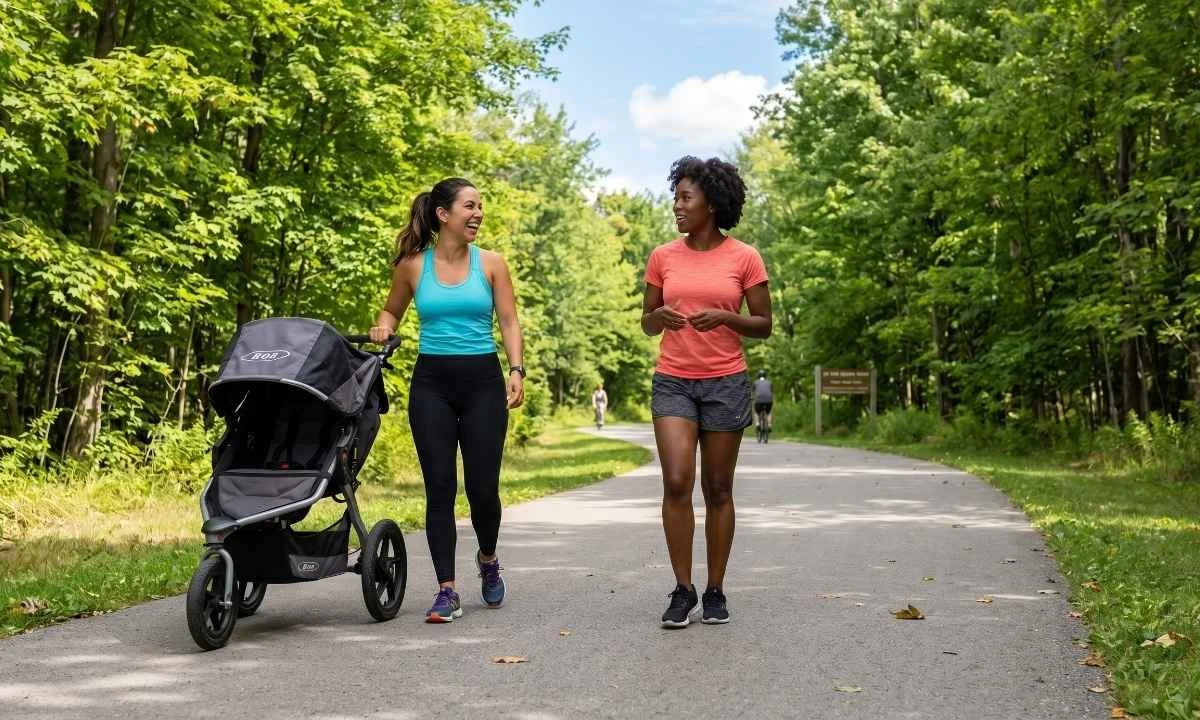
Walking is the ultimate postpartum exercise. It is low-impact, gets you out of the house, and can be done with your baby in tow. Start with short, 10-to-15-minute walks on flat surfaces. Over time, you can explore beautiful local spots. Whether you are strolling near the ROC or enjoying the lakeside views around Keswick, fresh air provides incredible benefits for both physical recovery and mental health.
Mobility and Stretching Routines
The physical demands of motherhood often lead to tight chest muscles, rounded shoulders, and an aching lower back. Incorporating a daily 10-minute mobility routine can drastically improve how you feel. Focus on cat-cow stretches, thoracic spine rotations, and hip flexor stretches to counteract the "mom posture."
Low-Impact Strength Training
When you are ready to rebuild muscle, skip the heavy barbells and high-impact plyometrics. Focus instead on low-impact, functional strength training. Resistance bands and light dumbbells are your best friends. Exercises like clamshells, bird-dogs, and supported lunges will help you rebuild stability and strength safely. If you are unsure where to begin, exploring our personal training programs can provide you with a customized, safe roadmap.
Comparing Postpartum Exercise Stages
To help you visualize your realistic timeline, review this structured comparison of postpartum recovery stages.
Recovery Stage
Timeframe
Primary Focus
Safe Exercise Examples
Exercises to Avoid
Stage 1: Rest & Reconnect
0–6 Weeks
Healing, breathing, and survival.
Diaphragmatic breathing, short slow walks, gentle pelvic floor contractions.
Running, jumping, heavy lifting, crunches, standard planks.
Stage 2: Core & Foundation
6–12 Weeks
Rebuilding deep core stability and addressing muscle imbalances.
Glute bridges, bird-dogs, modified side planks, bodyweight squats.
High-impact cardio, heavy weightlifting, sit-ups, pull-ups.
Stage 3: Strength Building
3–6 Months
Increasing functional strength and endurance safely.
Dumbbell rows, goblet squats, resistance band work, brisk walking.
Maximum effort lifts, intense plyometrics, any exercise causing leaking.
Stage 4: Return to Sport
6+ Months
Transitioning back to pre-pregnancy activities if symptom-free.
Jogging, dynamic strength training, group fitness classes.
Ignoring pain or pelvic pressure to push through a workout.
Note: This table is a general guideline. Always listen to your body and your medical provider.
Nutrition and Hydration for Active New Moms
You cannot separate postpartum fitness from postpartum nutrition. Your body requires significant fuel to heal, produce breast milk (if you are nursing), and handle the energy demands of exercise.
Fueling Breastfeeding and Exercise
If you are breastfeeding, your body burns an additional 300 to 500 calories per day. When you add exercise to the mix, your caloric needs increase even further. Restricting calories to lose baby weight quickly can negatively impact your milk supply, stall your physical recovery, and crash your energy levels. Focus on consuming nutrient-dense foods rich in protein, complex carbohydrates, and healthy fats.
Hydration is equally critical. You should be drinking significantly more water than you did pre-pregnancy. Aim to drink a large glass of water during every nursing session and before, during, and after your workouts.
Quick, Healthy Snacks for Busy Days
Finding time to cook a balanced meal with a newborn is tough. Keep these quick, one-handed snacks available to keep your energy up:
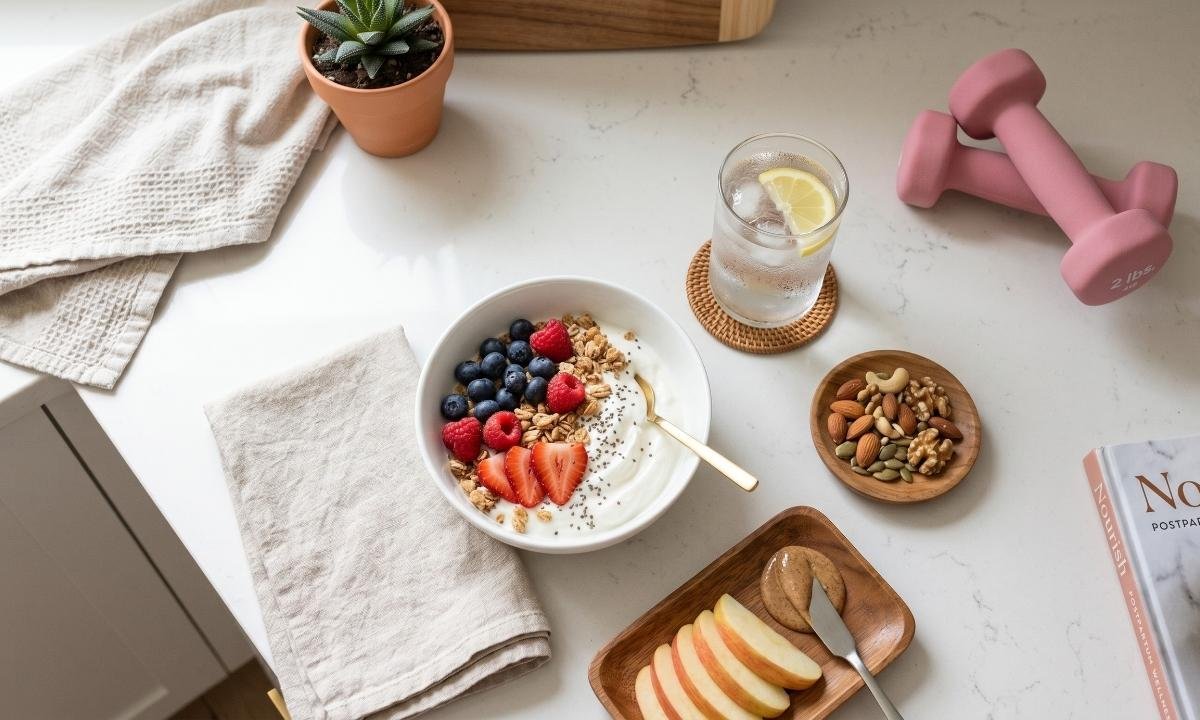
Greek yogurt with berries and chia seeds
Apple slices with almond butter
Hard-boiled eggs and a handful of almonds
Protein smoothies packed with spinach and flaxseed
Overcoming Common Roadblocks to Exercise
Even with the best intentions, returning to fitness is incredibly difficult. Acknowledging the barriers is the first step to overcoming them.
Managing Sleep Deprivation
Sleep deprivation is the biggest enemy of postpartum fitness. When you are exhausted, your body produces higher levels of cortisol, a stress hormone that hinders recovery and promotes fat storage. If you have had a particularly rough night with the baby, skip the workout. Prioritize a nap or opt for a gentle 10-minute stretch instead. Pushing through exhaustion will only lead to burnout and potential injury.
Finding the Time and Childcare
Finding a continuous 45 minutes to work out is nearly impossible for a new mom. The solution is to change your expectations. Break your movement up into "exercise snacks." Doing ten minutes of core work while the baby does tummy time, a 15-minute walk with the stroller, and ten minutes of stretching before bed is just as effective as one long session.
Additionally, looking for local resources like moms fitness classes can provide a supportive environment where your baby is welcome, solving the childcare dilemma while allowing you to exercise.
Why Community Matters: Moms Fitness Classes in Georgina
Motherhood can feel incredibly isolating, especially in the early months. Working out alone in your living room requires a lot of self-motivation. Joining a community of other mothers who understand exactly what you are going through can be entirely transformative.
When you participate in moms fitness classes, you get more than just a workout. You get adult conversation, empathy regarding sleepless nights, and a safe space where a crying baby is completely normal. A strong local community helps keep you accountable while offering grace on the days when things don't go as planned. It is about building a village that supports your physical and mental health.
Postpartum Fitness Georgina: FAQs
How soon can I start running after having a baby?
Most pelvic floor physiotherapists and fitness experts recommend waiting at least 12 weeks postpartum before attempting high-impact exercises like running. Your pelvic floor needs this time to regain the strength necessary to absorb the shock of running without causing prolapse or incontinence.
Will exercising decrease my breast milk supply?
No, moderate exercise will not decrease your milk supply or alter the nutrient composition of your milk. However, extreme calorie restriction combined with intense exercise can impact production. Ensure you are eating enough nutrient-dense foods and staying highly hydrated.
What should I do if I experience leaking during a workout?
Urine leakage (incontinence) is common postpartum, but it is not normal and should not be ignored. If you leak during an exercise, it means the intra-abdominal pressure is too high for your pelvic floor to manage. Stop the exercise, regress to a simpler modification, and consult a pelvic floor physiotherapist.
How do I know if I have diastasis recti?
You can perform a simple self-check by lying on your back with your knees bent. Place your fingers on your midline, just above your belly button. Gently lift your head and shoulders off the floor (like a mini crunch). If you feel a gap of more than two fingers' width, or if you see a visible doming or coning of your stomach, you likely have diastasis recti.
Do I need a special trainer for postpartum fitness?
While not strictly required, working with a fitness professional who is certified in pre- and postnatal exercise is highly recommended. They understand the nuances of pelvic floor recovery and can ensure you do not inadvertently injure yourself while trying to heal.
Conclusion: Your Journey with Anchor Health and Fitness Centre
Navigating postpartum fitness in Georgina does not have to be a lonely, confusing, or stressful journey. Remember that your body has performed a miracle, and it deserves patience, respect, and targeted care as it heals. Forget the pressure to "bounce back" and focus instead on moving forward-building a stronger, healthier, and more energized version of yourself for both you and your family.
By focusing on deep core rehabilitation, prioritizing rest, and gradually rebuilding your strength, you will safely return to the active lifestyle you desire. Take it one day at a time, celebrate the small victories, and listen to the signals your body gives you.
At Anchor Health and Fitness Centre, we are dedicated to supporting the mothers in our community. Whether you are looking for guided recovery, customized coaching, or a welcoming environment to rebuild your strength, we are here for you. Take the first step in your postpartum recovery journey today, and let us help you find your anchor. Ready to get started? Feel free to contact our fitness team to discuss your goals and find the perfect program for your post-baby return to fitness.