
How to Master Strength Training in Perimenopause: A Georgina Guide
Perimenopause brings a wave of physical changes that can leave many women feeling disconnected from their own bodies. From sudden sleep disruptions and stubborn hormonal weight gain to unexpected shifts in mood, this transitional phase demands a fresh approach to health. For women living in the Georgina, Ontario area, navigating these changes doesn't mean slowing down. Emerging scientific research reveals that the most effective tool for managing this transition lies not in grueling cardio sessions, but in the weight room. Implementing a structured regimen of strength training in perimenopause is the definitive, evidence-backed strategy to reclaim your vitality, protect your bones, and build a resilient body for the future.
Understanding Perimenopause and the Hormonal Shift
Perimenopause is the transitional phase leading up to menopause, characterized by significant fluctuations in estrogen and progesterone. These hormonal shifts are not just responsible for hot flashes; they fundamentally alter metabolic rate, bone density, and muscle mass retention.
During this time, women naturally begin to lose muscle mass at an accelerated rate, a condition known as sarcopenia. This decline directly impacts resting metabolic rate, making weight management increasingly difficult. Furthermore, estrogen plays a crucial role in maintaining bone mineral density. As estrogen levels fluctuate and ultimately drop, the rate of bone remodeling alters, significantly increasing the risk of osteopenia and osteoporosis.
Understanding these physiological shifts is the first step toward combating them. You are not losing control of your body; your body is simply operating under a new hormonal blueprint. To thrive under this new blueprint, your exercise stimulus must change to match your evolving biology.
The Science Behind Strength Training in Perimenopause
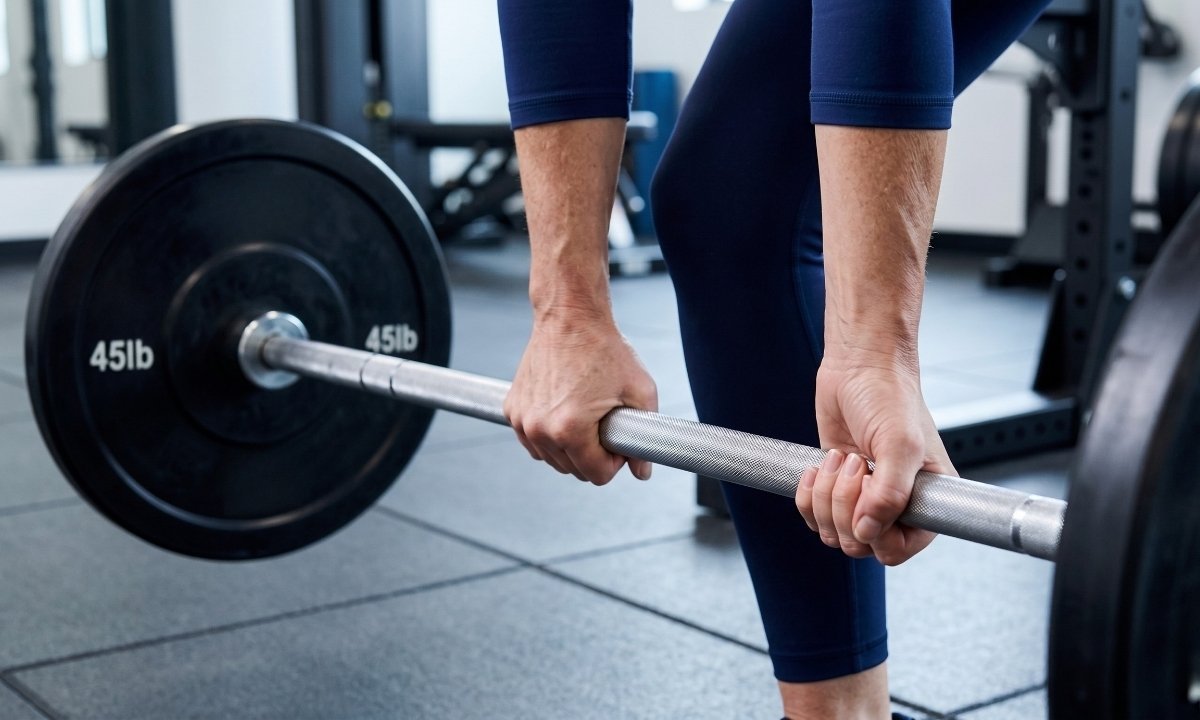
The medical and scientific communities agree that resistance training is non-negotiable for midlife women. Clinical studies show that lifting weights provides a unique mechanical stress that triggers muscle protein synthesis and bone mineralization in ways that walking or cycling simply cannot.
When you perform resistance exercises, the mechanical tension pulls on the tendons attached to your bones. This action stimulates osteoblasts, the specialized cells responsible for laying down new bone tissue. For perimenopausal women, this is the primary defense against accelerating bone loss.
[Hormonal Fluctuations (Estrogen Drops)]
│
▼
[Accelerated Muscle & Bone Loss]
│
▼
┌──────────────────────────┐
│ Mechanical Tension from Heavy Resistance │
└──────────────────────────┘
│
▼
┌──────────────────────────┐
│ Stimulates Osteoblasts & Muscle Synthesis │
└──────────────────────────┘
│
▼
[Preserved Mobility & Metabolic Health]
Beyond bone health, resistance training alters body composition by replacing lost muscle tissue. Muscle is metabolically active text, meaning it burns more calories at rest than fat tissue. By prioritizing strength training in perimenopause, women can effectively counteract the midlife metabolic slowdown, improve insulin sensitivity, and mitigate visceral fat accumulation.
Key Benefits of Resistance Training for Midlife Women
The benefits of lifting weights extend far beyond aesthetics. For women navigating the complexities of midlife, regular resistance training acts as a comprehensive internal intervention.
Preservation and Growth of Lean Muscle Mass: Counteracts age-related muscle wasting to maintain physical independence.
Enhanced Bone Mineral Density: Significantly reduces long-term risks of fractures and skeletal frailty.
Metabolic Regulation: Improves insulin sensitivity, helping to manage blood sugar levels and prevent hormonal weight gain.
Joint Stability and Mobility: Strengthens the connective tissues surrounding major joints, reducing chronic aches and pains.
Mental Health and Cognitive Support: Stimulates the release of endorphins and brain-derived neurotrophic factor (BDNF), combating anxiety, depression, and brain fog.
Cardiovascular vs. Strength Training: Shifting the Paradigm
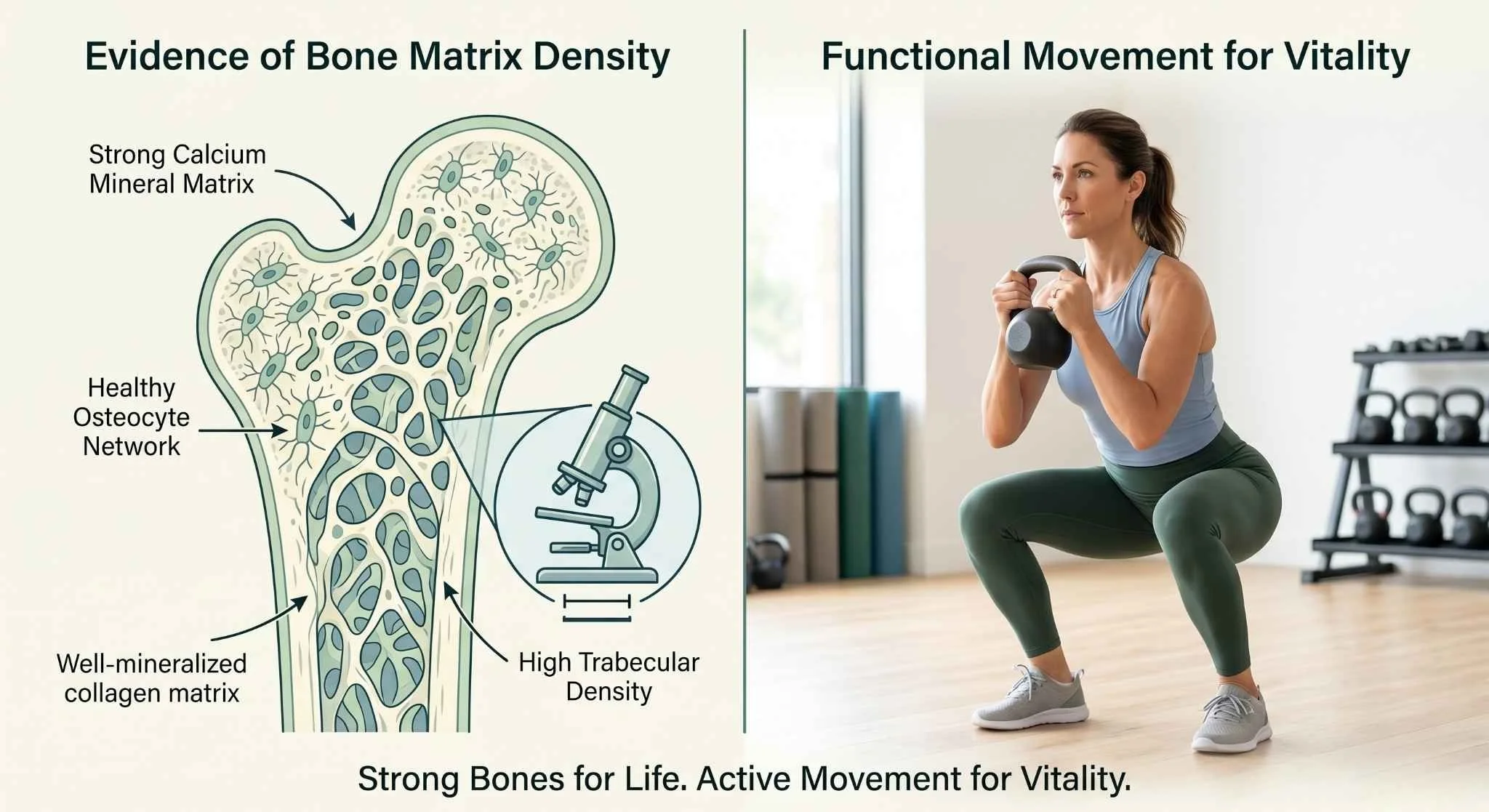
For decades, women were told that long-duration, steady-state cardiovascular exercise was the key to weight management and health. However, relying solely on chronic cardio during perimenopause can actually backfire.
Excessive cardio raises circulating levels of cortisol, the primary stress hormone. In a body already stressed by hormonal transitions, chronically elevated cortisol encourages the body to store visceral fat around the midsection and breakdown precious muscle tissue.
Exercise Metric
Steady-State Cardiovascular Exercise
Structured Progressive Strength Training
Primary Physiological Stimulus
Enhances aerobic capacity and cardiovascular endurance.
Stimulates muscle hypertrophy and bone remodeling.
Impact on Cortisol Levels
Can chronically elevate cortisol if performed excessively.
Triggers a temporary acute spike followed by adaptive recovery.
Effect on Resting Metabolism
Minimal long-term elevation after the session ends.
Elevates resting metabolic rate via increased muscle mass.
Bone Density Preservation
Low impact; negligible effect on systemic bone mineral density.
High mechanical load; directly stimulates bone density growth.
Hormonal Regulation Profile
Can exacerbate systemic stress if over-performed.
Improves insulin sensitivity and growth hormone release.
Shifting the focus from burning calories on a treadmill to building capacity under a barbell is essential. While cardiovascular health remains important, strength training must become the foundation of your fitness routine.
Designing a Safe and Effective Perimenopause Strength Program
A successful program requires structure, consistency, and a focus on progression. Random workouts yield random results. To stimulate bone and muscle growth, your routine must utilize progressive overload-gradually increasing the weight, repetitions, or sets over time.
Focus your training sessions around compound movements. These are multi-joint exercises that recruit large muscle groups simultaneously, giving you the greatest hormonal and physiological return on your time investment.
The Core Movement Patterns for Midlife Success
The Squat Pattern: Target your glutes, quadriceps, and core. Examples include goblet squats, box squats, and barbell back squats.
The Hinge Pattern: Vital for strengthening the posterior chain (hamstrings, glutes, and lower back) to protect the spine. Examples include Romanian deadlifts and kettlebell deadlifts.
The Push Pattern: Builds upper body strength in the chest, shoulders, and triceps. Examples include overhead dumbbell presses and push-ups.
The Pull Pattern: Crucial for posture and upper back strength to counteract rounding shoulders. Examples include single-arm dumbbell rows and lat pulldowns.
The Core Carry Pattern: Improves functional trunk stability and grip strength. Examples include farmer's walks and suitcase carries.
Aim to train two to three times per week, ensuring at least 48 hours of rest between sessions targeting the same muscle groups. This frequency provides adequate stimulus while honoring the body's changing recovery capabilities.
Overcoming Common Obstacles and Misconceptions
The most persistent myth preventing women from picking up weights is the fear of becoming "bulky." Due to the hormonal profile of women during midlife, building excessive muscle mass requires extreme nutritional and supplemental intervention. Lifting heavy weights will not make you bulky; it will make you dense, compact, strong, and functional.
Another common concern is the fear of injury, especially if you suffer from pre-existing joint discomfort or low bone density. The reality is that avoiding resistance exercise poses a far greater risk to your long-term mobility than structured lifting.
If you are new to the gym or returning after a long hiatus, working with certified professionals who specialize in midlife fitness is the best way to build confidence, learn proper biomechanics, and ensure your program matches your current physical capacity.
Nutrition and Recovery to Support Your Training
Lifting weights is only half of the equation; your body requires the proper raw materials to rebuild and recover from the stimulus you provide. Nutrition and lifestyle choices must align with your training to optimize your results.
Prioritize Dietary Protein
Protein is non-negotiable for the perimenopausal woman. To support muscle repair and synthesis, aim to consume between 1.2 and 2.0 grams of protein per kilogram of body weight daily. Distribute this intake evenly across your meals, prioritizing high-quality sources such as lean meats, poultry, fish, eggs, tofu, and legumes.
Manage Stress and Optimize Sleep
High stress and poor sleep elevate cortisol, which directly inhibits muscle recovery and exacerbates perimenopausal symptoms. Prioritize seven to nine hours of quality sleep per night. Incorporate stress-management techniques such as breathwork, spending time in nature around Georgina, or gentle mobility work on your rest days.
Localized Care: Accessing Professional Support in Georgina
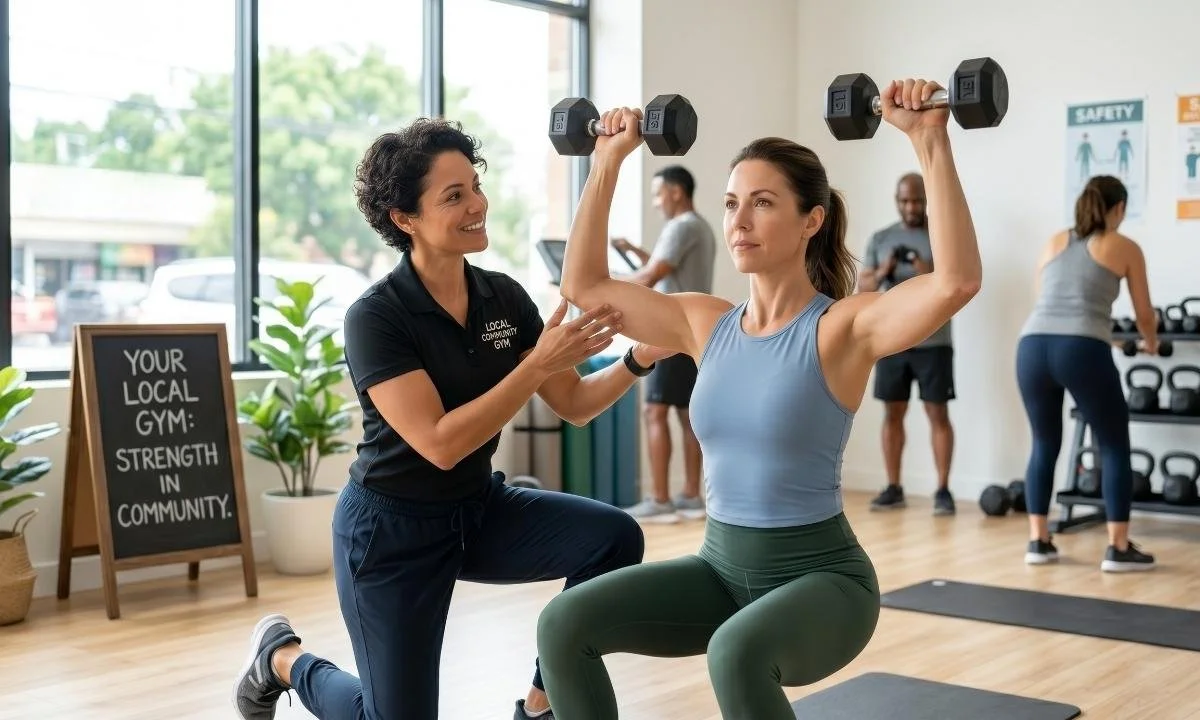
Attempting to navigate this physical transition alone can feel overwhelming. Fortunately, women living in the Georgina area have access to world-class coaching and community support right in their backyard.
Working with a local facility eliminates the guesswork. Professional coaches can assess your movement patterns, customize weight selections, and adjust training volumes based on how your body feels on any given day. Furthermore, training alongside other midlife women creates a powerful environment of shared experience and accountability.
Investing in your strength is an investment in your future autonomy. By taking action today, you ensure that you remain vibrant, capable, and pain-free for decades to come.
Frequently Asked Questions
Is it safe to start strength training in perimenopause if I have never lifted weights before?
Yes, it is entirely safe and highly recommended. Beginners should start with foundational bodyweight movements or light resistance implements under the guidance of a qualified fitness professional. The body retains its ability to adapt and grow stronger at any age, provided the entry point matches your current fitness level.
How many days a week should a perimenopausal woman lift weights?
The ideal frequency is two to three days per week. This cadence provides a sufficient biological stimulus to trigger muscle protein synthesis and bone remodeling while allowing ample time for systemic recovery between training sessions.
Will lifting heavy weights worsen my joint pain or arthritis?
When performed with correct biomechanics and appropriate loading, strength training reduces joint pain. Strengthening the muscles surrounding your joints improves stabilization, distributes impact loads more evenly, reduces chronic inflammation, and enhances overall joint lubrication.
How long does it take to see results from strength training during perimenopause?
Neurological adaptations, such as improved balance, coordination, and energy levels, can often be felt within the first two to four weeks. Measurable changes in body composition, muscular endurance, and strength typically manifest within eight to twelve weeks of consistent training.
Can strength training help reduce hot flashes and improve sleep quality?
Yes. Clinical evidence suggests that regular resistance exercise helps stabilize the autonomic nervous system, which regulates body temperature. Additionally, the physical exertion of strength training deepens slow-wave sleep cycles, helping to alleviate midlife insomnia.
Conclusion
Navigating perimenopause requires a proactive shift in how you care for your body. The scientific evidence is undeniable: strength training in perimenopause is the single most effective lifestyle intervention available to protect your skeletal system, optimize your metabolic rate, and safeguard your mental well-being. You do not have to accept physical decline as an inevitable consequence of aging.
Take control of your health transition today. If you are ready to build a strong, resilient body that is built to last, reach out to the professional coaching team at Anchor Health and Fitness Centre. Let us design the perfect, evidence-backed strength program tailored specifically to your unique needs and goals.