
Lymphatic Drainage Massage: What It Does & Who It Helps Most
If you have been feeling uncharacteristically sluggish, noticing uncomfortable fluid retention, or navigating the frustrating road of post-operative recovery, you might be searching for a holistic solution. Enter lymphatic drainage massage, a highly specialized, incredibly gentle therapy designed to encourage the natural drainage of the lymph. Unlike traditional massage techniques that target deep muscle knots and tension, this modality focuses on the delicate network of vessels just beneath the skin.
In this comprehensive guide, we will explore exactly how a lymphatic drainage massage works, the undeniable science behind its benefits, and precisely who stands to gain the most from this restorative therapy.
Understanding the Lymphatic System First

Before diving into the massage itself, it is crucial to understand the bodily system it targets. The lymphatic system is a vital part of your immune system, comprising a complex network of tissues, vessels, and organs. Its primary job is to transport lymph-a clear, watery fluid containing infection-fighting white blood cells-throughout your body.
Unlike the cardiovascular system, which relies on the heart to pump blood, the lymphatic system has no central pump. Instead, it relies entirely on the movement of your muscles, your breathing, and the pulse of nearby blood vessels to push lymph fluid upward toward the neck, where it re-enters the bloodstream.
When this system becomes overwhelmed, damaged by surgery, or sluggish due to a sedentary lifestyle, fluid begins to pool. This pooling leads to tissue swelling, a condition medically known as lymphedema, and can leave you feeling heavy, fatigued, and susceptible to illness.
How Lymph Moves Through the Body
Lymph fluid travels through a series of filters known as lymph nodes. You have hundreds of these nodes located throughout your body, clustered heavily in the neck, armpits, abdomen, and groin. As fluid passes through these nodes, foreign invaders like bacteria and viruses are trapped and destroyed by white blood cells. A sluggish system means toxins and cellular waste linger in your tissues longer than they should, leading to systemic inflammation and poor recovery times.
What is a Lymphatic Drainage Massage?
A lymphatic drainage massage is a clinically proven, hands-on technique aimed at stimulating the lymphatic system to work more efficiently. By using very light pressure and rhythmic, circular motions, a trained therapist gently stretches the skin in the direction of lymph flow. This mechanical stimulation encourages the lymph vessels to contract, pushing stagnant fluid out of swollen areas and back into the healthy, functioning lymphatic pathways.
Manual Lymphatic Drainage (MLD) vs. Regular Massage
It is common to confuse manual lymphatic drainage (MLD) with standard massage therapy, but the two are vastly different in both execution and purpose. A traditional Swedish massage or deep tissue massage applies heavy pressure to manipulate muscle fascia and relieve tension.
If a therapist applies deep pressure during a lymphatic session, they will actually bypass the lymphatic vessels entirely, rendering the treatment ineffective. The pressure used in MLD is extraordinarily light-often compared to the weight of a dime brushing across the skin. Because 70% of lymphatic vessels are located just millimeters below the surface of the skin, only the gentlest touch is required to stimulate them.
The Science Behind Lymphatic Drainage Massage Benefits
The physiological benefits of this therapy extend far beyond simple relaxation. When performed by a qualified practitioner, a lymphatic drainage massage triggers a cascade of positive responses within the body.
Here are the primary, scientifically backed benefits:
Dramatically Reduce Swelling: By manually clearing congested pathways, MLD quickly reduces edema (swelling) caused by fluid retention, injury, or surgery.
Immune System Boost: Accelerating the flow of lymph fluid means white blood cells are distributed more rapidly, enhancing the body's ability to identify and fight off localized infections and viruses.
Pain Management and Relief: Fluid buildup puts immense pressure on nerve endings, causing significant discomfort. Removing this fluid alleviates the pressure, providing profound, natural pain relief.
Accelerated Tissue Healing: By flushing cellular waste, dead cells, and toxins away from injured tissues, MLD brings fresh, nutrient-rich fluid to the site, vastly improving healing times for wounds and surgical incisions.
Nervous System Calming: The slow, rhythmic nature of the massage naturally shifts the body from a "fight or flight" sympathetic state into a "rest and digest" parasympathetic state, lowering stress and improving sleep quality.
Who Needs a Lymphatic Drainage Massage Most?
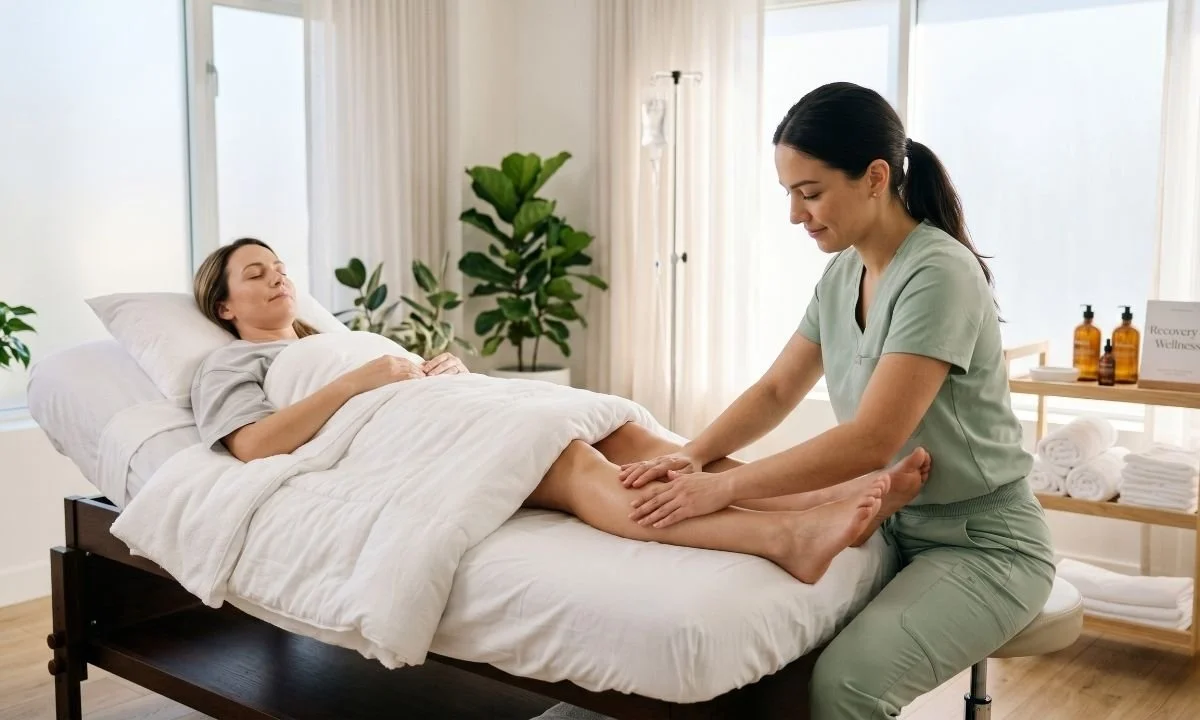
While anyone can benefit from a temporary immune system boost and a reduction in minor water retention, certain populations will see life-changing results from this targeted therapy. Below, we break down exactly who benefits the most.
Post-Surgery Recovery
Whether you have undergone cosmetic surgery (like liposuction, a tummy tuck, or a Brazilian Butt Lift) or an orthopedic procedure (like a knee or hip replacement), trauma to the tissue is inevitable. Surgery temporarily damages the delicate lymphatic vessels, leading to severe, localized swelling and painful fluid buildup.
Surgeons frequently prescribe lymphatic drainage massage as a mandatory part of the post-operative protocol. It not only accelerates the reduction of painful swelling but also prevents the formation of hard, fibrous scar tissue (fibrosis) beneath the skin, ensuring a smoother, faster, and more aesthetically pleasing recovery.
Lymphedema Patients
Lymphedema is a chronic condition characterized by severe, localized swelling, most commonly occurring after lymph nodes have been removed or damaged during cancer treatments (particularly breast cancer). For these individuals, MLD is not a luxury; it is a critical medical necessity.
Through complex decongestive therapy-which includes MLD alongside compression garments-patients can manage their swelling, prevent dangerous skin infections (cellulitis), and maintain mobility in their affected limbs.
Athletes and Fitness Enthusiasts
High-intensity training, marathon running, and heavy weightlifting cause micro-tears in muscle tissue, leading to an inflammatory response and delayed onset muscle soreness (DOMS). While an ice bath or foam rolling are popular recovery tools, MLD is incredibly effective at flushing lactic acid and cellular waste out of fatigued muscles. This results in a faster return to peak performance and significantly less downtime between strenuous workouts.
Individuals with Chronic Conditions
Those suffering from systemic, inflammatory conditions such as Fibromyalgia, Rheumatoid Arthritis, or Chronic Fatigue Syndrome often experience an overloaded lymphatic system. The gentle nature of MLD makes it an ideal therapy for these individuals, as they often cannot tolerate the heavy pressure of a deep tissue massage. The treatment helps to clear stagnant inflammatory mediators from the tissues, bringing noticeable relief from joint stiffness and generalized aching.
Comparing Therapies: Which Massage is Right for You?
To help you decide if this therapy is the right choice for your specific needs, review the breakdown below.
Therapy Type
Pressure Level
Primary Goal
Best Suited For
Lymphatic Drainage Massage
Very Light / Gentle
Stimulate lymph flow, reduce fluid retention, clear toxins.
Post-surgery recovery, lymphedema, severe swelling, immune support.
Firm to Intense
Release chronic muscle tension, break up scar tissue in muscles.
Chronic muscular pain, postural issues, athletic injury recovery.
Swedish Massage
Light to Medium
General relaxation, increase blood circulation, relieve minor stress.
General stress relief, minor muscle tension, first-time massage clients.
What to Expect During Your Lymphatic Drainage Session
If you have never experienced this type of therapy before, you might be surprised by how different the process feels compared to standard spa treatments. Knowing what to expect can help you maximize the benefits of your session.
Pre-Massage Preparation
Before you begin, your therapist will conduct a thorough intake to discuss your medical history, recent surgeries, and specific areas of swelling. You should arrive well-hydrated, as the process of moving cellular waste requires adequate water in your system to successfully flush it out. ### The Massage Technique
You will be draped comfortably on a massage table, usually in a warm, quiet room. The therapist will almost always start near your collarbone (the terminus). This is the area where the lymphatic fluid ultimately drains back into the circulatory system. By clearing the "drain" first, the therapist ensures that the fluid they push up from your arms, legs, or abdomen has somewhere to go.
The strokes are repetitive, circular, and incredibly light. The therapist will gently stretch the skin and release it, creating a pumping effect. Because the treatment is so relaxing, it is very common for clients to fall asleep on the table.
Post-Massage Care and Hydration

After your session, you may notice a few immediate changes. You will likely feel the urge to urinate frequently; this is a highly positive sign that your body is actively expelling the excess fluid and toxins that the massage mobilized.
You must drink plenty of water over the next 48 hours to aid this flushing process. Some individuals may experience mild fatigue or cold-like symptoms for a few hours afterward as the immune system processes the released cellular waste. Rest, hydrate, and allow your body to heal.
Signs Your Lymphatic System is Sluggish
Not sure if you need intervention? Your body often sends clear signals when its waste-removal system is backed up. Watch for these common indicators:
Unexplained rings tightness or swollen ankles: Waking up with puffy eyes, tight rings on your fingers, or sock indentations on your calves points to systemic water retention.
Brain fog and chronic fatigue: When toxins linger in the bloodstream and tissues, your overall energy levels plummet, making it difficult to concentrate.
Frequent colds and infections: A compromised lymphatic system means a compromised immune response, leaving you vulnerable to every passing bug.
Digestive issues: A large portion of your lymphatic system surrounds your gut. Sluggish lymph can lead to bloating, constipation, and food sensitivities.
Skin breakouts and conditions: When the body cannot eliminate toxins through the lymph, it tries to push them out through the skin, leading to acne, eczema, or dry, itchy patches.
Frequently Asked Questions (FAQ)
Does lymphatic drainage massage actually work to lose weight?
It does not burn fat or cause true weight loss. However, it can cause immediate, noticeable circumference reduction and a "slimmer" appearance by flushing out excess water weight and severe bloating.
Can I do a lymphatic drainage massage on myself?
Yes, you can perform basic dry brushing or light self-massage at home to maintain lymphatic health. However, for post-surgical recovery or medical lymphedema, a trained professional is required to safely and effectively reroute the fluid.
How often should you get a lymphatic drainage massage?
For post-surgery recovery, clients may need sessions 2 to 3 times a week for the first few weeks. For general wellness and immune maintenance, a session once a month or every six weeks is highly beneficial.
Are there any side effects?
The therapy is incredibly safe, but minor side effects can include temporary fatigue, increased urination, mild headaches, or thirst as the body flushes out mobilized toxins.
Who should NOT get a lymphatic massage?
Individuals with congestive heart failure, a history of blood clots (DVT), active acute infections, or active kidney issues should avoid this therapy, as pushing extra fluid into the circulatory system can overwhelm these organs. Always consult your doctor if you have underlying health conditions.
Conclusion: Take Control of Your Wellness
Your lymphatic system is the unsung hero of your body's immune and detoxification processes. Whether you are battling the painful swelling of post-operative recovery, managing a chronic condition, pushing your body to athletic extremes, or simply looking to combat everyday sluggishness, a lymphatic drainage massage offers a profound, science-backed path to relief. By gently supporting your body's natural waste-removal pathways, you can dramatically reduce swelling, ease pain, and reclaim your vital energy.
Are you ready to experience the restorative power of targeted lymphatic therapy? The expert therapists at Anchor Health and Fitness Centre are highly trained in specialized techniques designed to optimize your recovery and enhance your overall well-being. Don't let swelling and fatigue hold you back from living your best life. Contact Anchor Health and Fitness Centre today to book your session and take the first critical step toward a healthier, more vibrant you.