
Personal Training vs. Group Fitness: Which Gets You Better Results?
You've decided to get serious about your fitness - but now comes the real question: should you invest in personal training or jump into group fitness classes? It's one of the most common dilemmas gym-goers face, and the answer isn't as straightforward as you might think. Both personal training and group fitness deliver real, measurable results - but they do it in very different ways, for very different people. Understanding the distinction could save you months of frustration and help you reach your goals faster.
Whether you're trying to lose weight, build strength, recover from an injury, or simply get more active, the format of your workouts matters more than most people realize. Let's break down both options so you can make the smartest choice for your body, lifestyle, and budget.
What Is Personal Training?
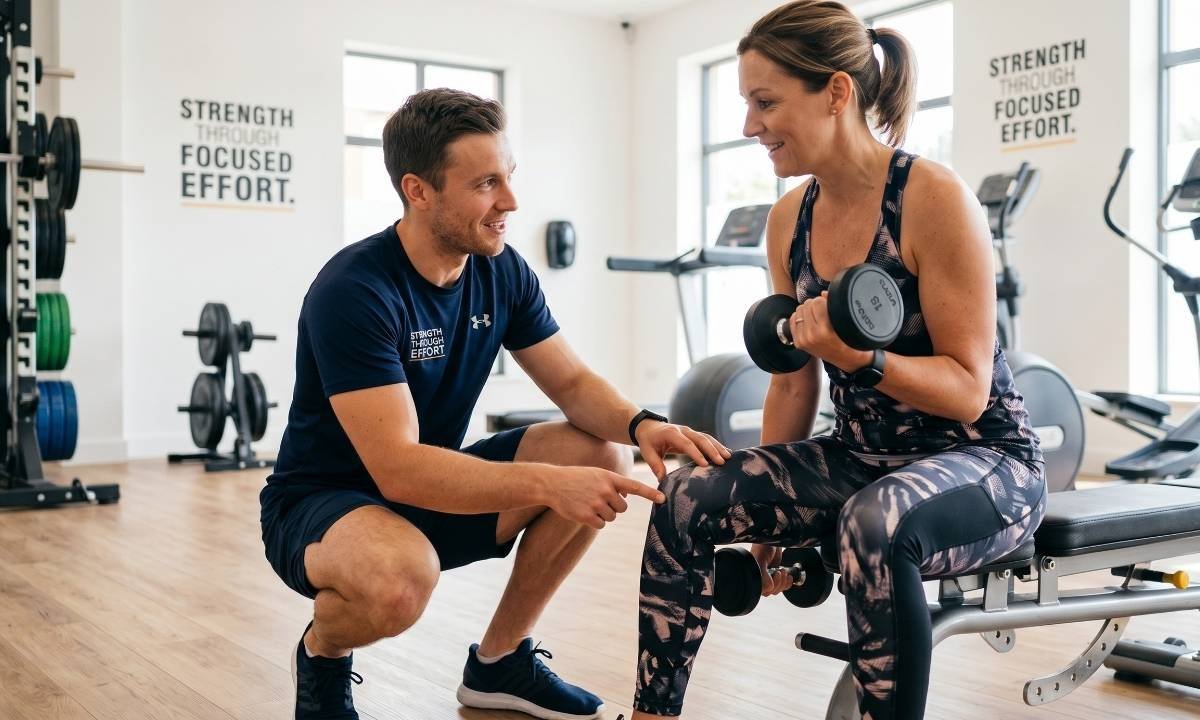
Personal training is a one-on-one coaching relationship between you and a certified fitness professional. Your trainer designs a program specifically around your goals, fitness level, injury history, and schedule - and every session is dedicated entirely to you.
Sessions typically take place in a gym, private studio, or even online. Your trainer watches every rep, corrects your form in real time, and adjusts your programming as you progress. There's no one-size-fits-all approach here - everything is built around you.
What Happens in a Typical Personal Training Session?
Assessment and goal-setting during your first few sessions
A customized workout plan based on your specific objectives
Real-time form correction and coaching throughout every exercise
Progressive overload - your trainer increases intensity as you get stronger
Ongoing accountability check-ins and program adjustments
Personal training is widely recommended for beginners who need to learn proper movement patterns, individuals recovering from injury, and anyone with highly specific performance goals.
What Is Group Fitness?
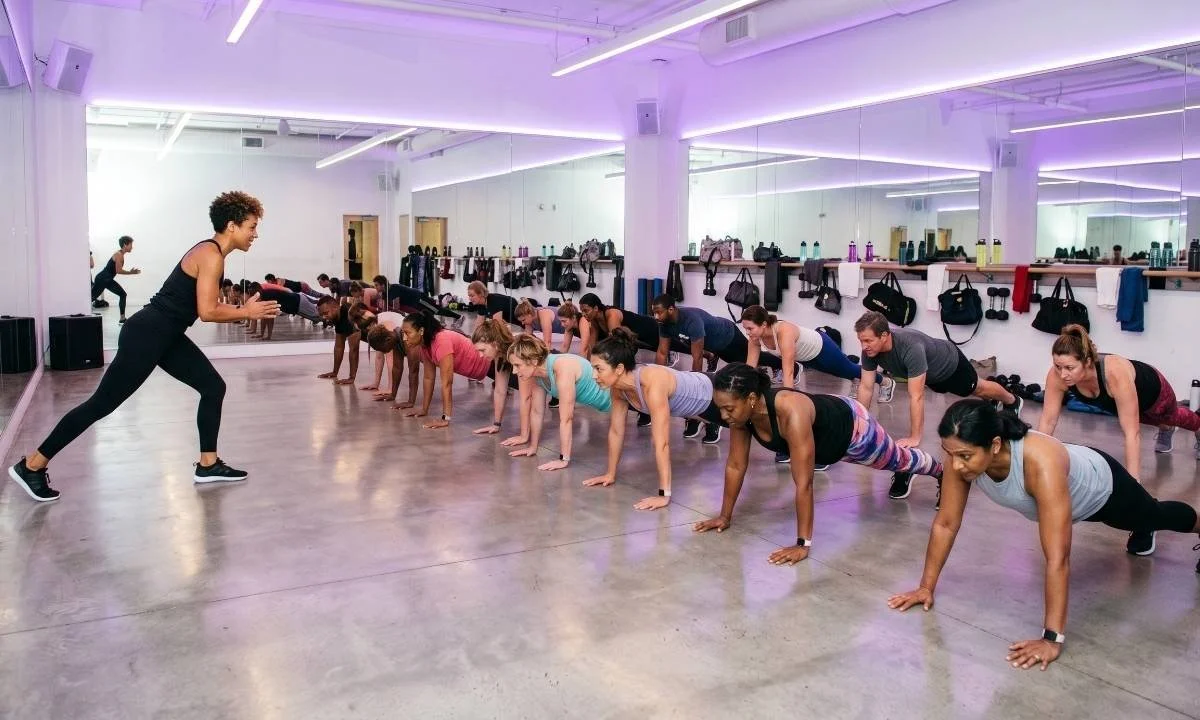
Group fitness refers to instructor-led exercise classes where multiple participants train together in the same session. From spin classes and HIIT bootcamps to yoga, Pilates, and functional training circuits - group fitness comes in a huge variety of formats.
Classes are typically scheduled at fixed times, follow a set structure, and are designed to accommodate a wide range of fitness levels. Instructors cue the group collectively, offer modifications for beginners, and create an energetic, motivating atmosphere.
Popular Group Fitness Formats
HIIT and bootcamp classes - high-intensity, calorie-burning circuits
Spin / cycling classes - cardio-focused with music-driven energy
Yoga and Pilates - mobility, flexibility, and core strength
Functional training classes - movement-based strength and conditioning
Dance fitness (e.g., Zumba) - fun, social, high-energy cardio
Group fitness thrives on community. The energy of working out alongside others, the encouragement of a dynamic instructor, and the rhythm of shared effort all combine to push participants harder than they might on their own.
Which Option Gets You Better Results?
This is where most fitness articles dodge the question - but let's be direct: it depends on what "better results" means to you.
Personal Training Gets Better Results When…
You have a specific, time-sensitive goal. If you're training for a half-marathon, preparing for a powerlifting meet, rehabbing a knee injury, or trying to lose 30 pounds before a major life event, personal training gives you the focused, strategic approach that general classes can't match.
You're a complete beginner. Learning proper squat mechanics, hip hinge patterns, and pressing technique is far safer and faster with a trainer watching your every move. Picking up bad habits in a group class - where the instructor can't give you individual attention - can lead to plateaus or worse, injury.
You've stopped seeing progress. If you've been working out consistently but the scale won't budge and your lifts aren't going up, a personal trainer can identify what's missing - whether it's programming, nutrition alignment, sleep, or recovery strategy.
You struggle with consistency. Having a scheduled appointment with a trainer you've paid for is one of the most powerful accountability tools in fitness. Skipping a class is easy; skipping on a trainer who's waiting for you is much harder.
Group Fitness Gets Better Results When…
You're motivated by community and energy. Research consistently shows that social environments boost workout intensity and adherence. If you do your best work when you're feeding off other people's energy, group fitness is a powerful performance multiplier.
You want variety and fun. One of the biggest killers of fitness progress is boredom. Group fitness classes change constantly - new formats, new music, new challenges. This variety keeps you engaged and coming back.
Budget is a real concern. Personal training is an investment, and it's not always a realistic one. A quality group fitness membership gives you access to expert-led, structured workouts at a fraction of the cost - and consistency beats perfection every time.
You're at an intermediate level and just need structure. If you already know the basics of movement and just need programming, intensity, and consistency, group classes provide all three without the premium price tag.
The Science Behind Both Approaches
The research supports both formats - in different ways.
A 2019 study published in the Journal of Strength and Conditioning Research found that individuals who worked with personal trainers showed significantly greater improvements in muscular strength and body composition over 12 weeks compared to self-directed exercisers.
On the group fitness side, a landmark study from the University of New England College of Osteopathic Medicine found that participants in group exercise programs reported 26% less stress and significantly higher quality of life scores compared to those who worked out alone - even when total workout volume was similar.
Key takeaway: Personal training wins on raw physical performance metrics. Group fitness wins on psychological wellbeing, adherence, and long-term sustainability.
The best results, then, might come from combining both.
Can You Do Both? The Hybrid Approach
Here's what many experienced fitness professionals - including the team at Anchor Health and Fitness Centre - recommend: don't treat this as an either/or decision.
A hybrid approach uses personal training to build your foundation and address your specific goals, while group fitness keeps your energy, motivation, and social connection high. For example:
2 personal training sessions per week focused on strength, form, and goal-specific programming
2–3 group fitness classes per week for cardio, variety, and community energy
This approach maximizes the strengths of both formats and eliminates most of the weaknesses. Your trainer ensures you're progressing safely and strategically; your group classes keep fitness fun and socially rewarding.
How to Choose the Right Option for You
Still not sure which direction to go? Ask yourself these questions:
1. What is your primary goal?
Weight loss → either works; personal training is faster
Muscle building → personal training is significantly better
General fitness / stress relief → group fitness excels
Injury rehab → personal training only
2. What is your current fitness level?
Complete beginner → start with personal training
Some experience → group fitness is a great entry point
Intermediate to advanced → either, or combine both
3. How do you stay motivated?
You need external accountability → personal training
You thrive in social environments → group fitness
4. What is your budget?
Limited → group fitness membership
Moderate to flexible → personal training or hybrid
5. How does your schedule look?
Irregular schedule → personal training (flexible booking)
Consistent schedule → group fitness (fixed class times work well)
Why Anchor Health and Fitness Centre Offers Both
At Anchor Health and Fitness Centre, we believe that no single fitness format works for every person - which is why we offer both certified personal training and a diverse schedule of group fitness classes under one roof.
Our certified personal trainers work with clients across all fitness levels, from first-time gym members to competitive athletes. Our group fitness classes span everything from high-intensity circuits to yoga and mobility work, so there's always something that fits your energy, your goals, and your schedule.
The most important thing isn't which option is "better" in the abstract - it's which option is better for you, right now, with the goals you have today. And we're here to help you figure that out.
FAQ: Personal Training vs. Group Fitness
Q1: Is personal training worth the extra cost compared to group fitness classes?
For many people, yes - especially if you have a specific goal, are new to exercise, or have struggled with consistency in the past. Personal training offers one-on-one attention, customized programming, and a level of accountability that group classes simply cannot match. The higher cost reflects a higher level of individualized service. That said, if budget is a constraint, a well-structured group fitness routine can absolutely produce excellent results over time.
Q2: Can I lose weight with group fitness classes alone?
Absolutely. Group fitness classes - especially HIIT, bootcamp, spin, and circuit-style formats - can burn significant calories and, combined with proper nutrition, drive meaningful fat loss. The key is consistency and intensity. The social environment of group fitness can also help you push harder than you would on your own, which amplifies results. However, if you want a targeted fat-loss program with nutritional guidance and body composition tracking, personal training provides a more structured path.
Q3: How many personal training sessions per week do I need to see results?
Most fitness professionals recommend 2–3 sessions per week for beginners or those with specific goals. This frequency allows for adequate stimulus and recovery. Even 1 session per week combined with independent gym time and group classes can produce noticeable improvements in strength and body composition within 8–12 weeks, particularly when your trainer designs your supplementary workouts as well.
Q4: Are group fitness classes safe for beginners?
Yes - with the right class selection. Beginner-friendly formats like yoga, Pilates, low-impact circuits, and introductory cycling classes are excellent starting points. High-intensity bootcamp classes or advanced HIIT formats may be challenging and carry a higher injury risk if a beginner doesn't yet understand basic movement patterns. If you're brand new to exercise, consider starting with a few personal training sessions to learn foundational movements, then transitioning into group fitness as your confidence builds.
Q5: What if I get bored with personal training?
This is a real and common concern. Boredom in personal training usually signals one of two things: your program hasn't been updated recently, or your trainer isn't varying the stimulus enough. A great personal trainer consistently introduces new exercises, formats, and challenges to keep sessions engaging. If you're finding personal training monotonous, communicate that with your trainer - or supplement with group fitness classes to add variety and social energy back into your routine.
Conclusion
There's no universal winner in the personal training vs. group fitness debate - because the best workout is the one you'll actually do, consistently, over time.
Personal training delivers faster, more targeted results with maximum customization, accountability, and safety. It's the gold standard for beginners, injury recovery, and specific performance goals. Group fitness delivers community, variety, affordability, and the psychological fuel that keeps people coming back month after month.
For most people, the smartest approach is a thoughtful combination of both - letting a personal trainer guide your strategy while group classes keep your energy and consistency high.
Ready to find your perfect fit? Visit Anchor Health and Fitness Centre to explore our personal training packages and group fitness schedule. Whether you're just starting out or ready to take your training to the next level, our team is here to help you build something that lasts.Book a free consultation today.
