
Indoor Cycling vs. HIIT: Which Is Better for Your Goals?
You've carved out time to work out - now comes the real question: should you hop on a stationary bike or push through a high-intensity interval training session? The indoor cycling vs. HIIT debate is one of the most common dilemmas in the fitness world, and for good reason. Both workouts deliver serious results, but they do it differently. Choosing the wrong one for your goals could mean slower progress, higher injury risk, or simply burning out before you see results. Here's everything you need to know to make the right call.
What Is Indoor Cycling?
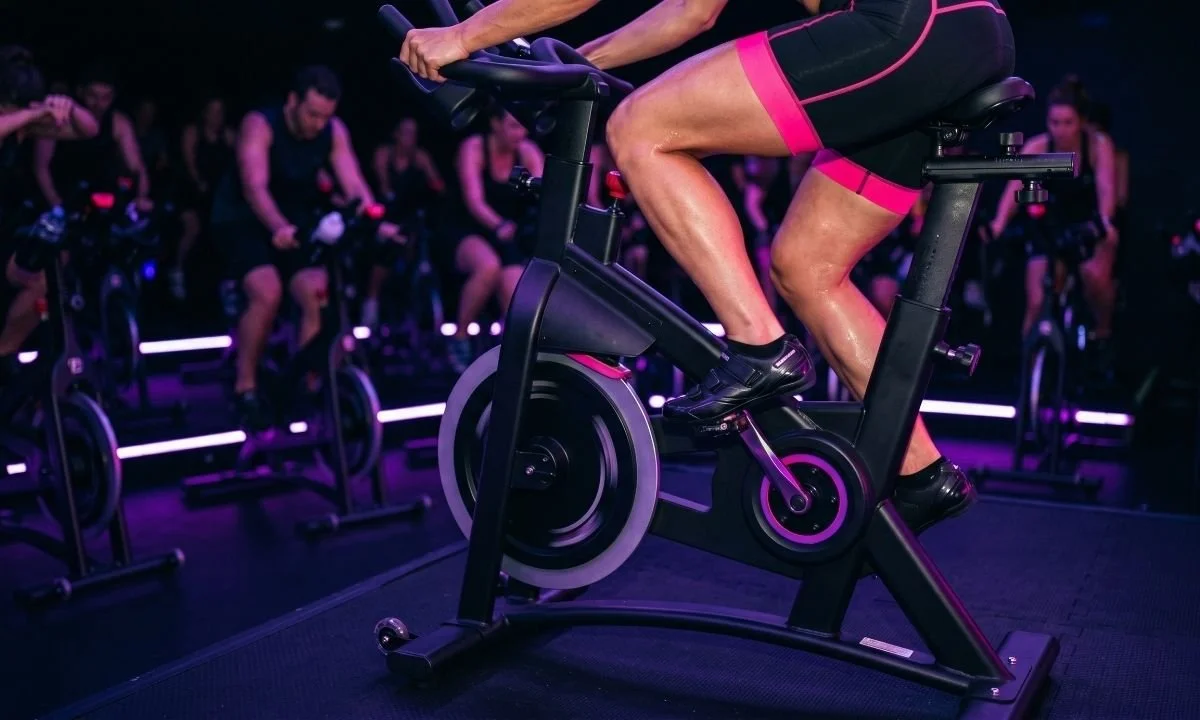
Indoor cycling - commonly known as spinning - is a low-impact cardiovascular workout performed on a stationary bike. You control the resistance and cadence, making it adaptable for beginners and seasoned athletes alike.
A typical indoor cycling class lasts 45 to 60 minutes and alternates between flat-road pedaling, climbs (high resistance), and sprints. Your heart rate stays elevated throughout, making it an effective steady-state or moderate-intensity cardio option - though many instructors incorporate interval elements as well.
Key Benefits of Indoor Cycling
Joint-friendly: Because your body weight is supported by the seat, there's minimal impact on your knees, hips, and ankles.
Scalable intensity: Resistance knobs let you dial the difficulty up or down in real time.
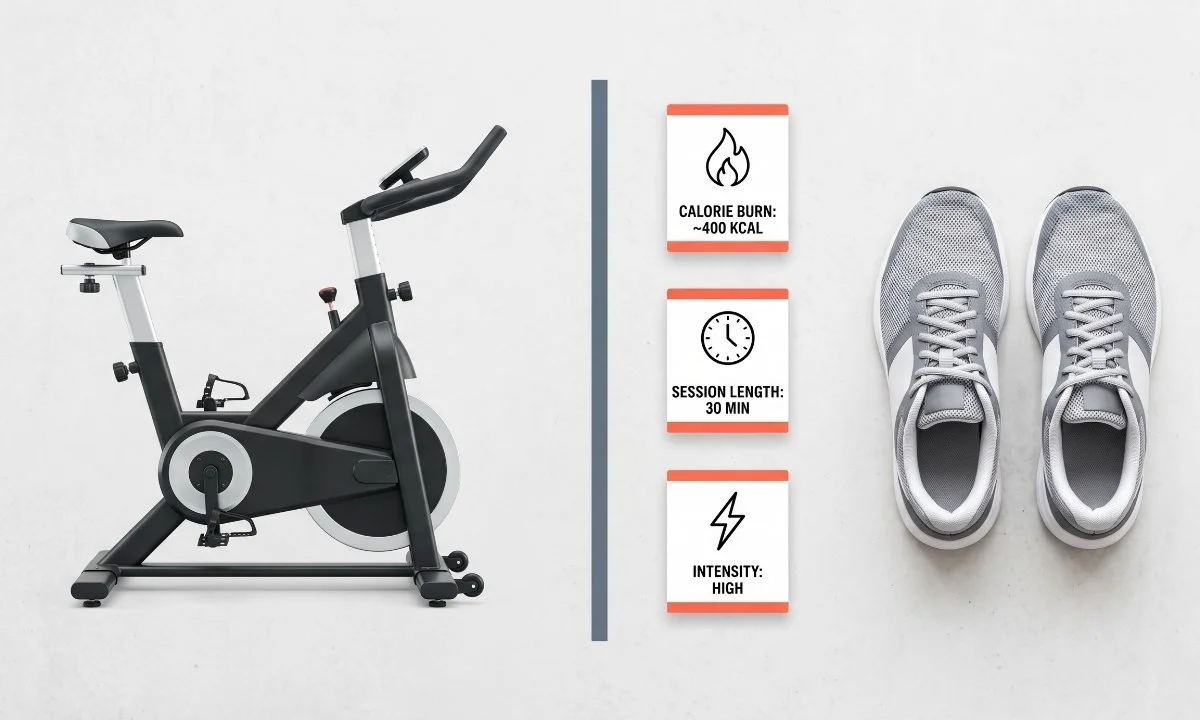
Strong calorie burn: A 155-pound person can burn approximately 400–600 calories in a 45-minute session.
Mental engagement: Music-driven classes and group energy make time fly.
Cardiovascular endurance: Consistent cycling builds a strong aerobic base over weeks and months.
Indoor cycling is particularly popular in group fitness settings, where the instructor's energy and curated playlists drive motivation through longer sessions.
What Is HIIT?
High-Intensity Interval Training (HIIT) alternates between short bursts of maximum effort and brief recovery periods. A classic structure might be 40 seconds of all-out effort followed by 20 seconds of rest, repeated for 20–30 minutes.
HIIT exercises vary widely - burpees, jump squats, sprints, kettlebell swings, and box jumps are common staples. The defining feature isn't the exercise itself; it's the intensity and work-to-rest ratio.
Key Benefits of HIIT
Time-efficient: Most sessions run just 20–30 minutes, delivering significant cardiovascular and metabolic benefits.
Afterburn effect: HIIT triggers Excess Post-Exercise Oxygen Consumption (EPOC), meaning your body continues burning calories for hours after the session ends.
Metabolic conditioning: Alternating between effort and rest trains both aerobic and anaerobic energy systems.
Muscle preservation: Unlike long-duration steady-state cardio, HIIT is associated with better lean muscle retention.
No equipment required: Many HIIT protocols use only bodyweight, making them accessible anywhere.
Which Is Better for Weight Loss?
Both workouts burn significant calories, but they do so through different mechanisms.
Indoor cycling burns a high volume of calories during the session itself, especially in longer rides. Over time, consistent cycling builds the aerobic base that supports sustainable fat loss.
HIIT has the edge when it comes to the afterburn effect. Research published in the Journal of Obesity found that HIIT significantly reduces total body fat, particularly abdominal fat, due to hormonal responses triggered by high-intensity effort. Your metabolism stays elevated for up to 24 hours post-workout.
The verdict for weight loss: HIIT has a slight metabolic advantage for fat loss per unit of time. However, if you can sustain longer cycling sessions consistently, the total calorie burn evens out. Consistency beats optimization - the best workout is the one you'll actually do week after week.
Which Is Better for Cardiovascular Health?
Both modalities improve cardiovascular fitness, but they train your heart differently.
Indoor cycling builds aerobic capacity (VO2 max) through sustained elevated heart rate. This is particularly beneficial for heart health, endurance sports, and overall longevity. It's often recommended for individuals with joint issues or those recovering from injury.
HIIT, by contrast, pushes your cardiovascular system to near-maximum effort repeatedly. This trains your heart to recover quickly - a key marker of cardiovascular efficiency. Studies consistently show HIIT improves VO2 max faster than moderate-intensity continuous training.
The verdict for cardiovascular health: HIIT may produce faster gains in cardiorespiratory fitness. But for long-term heart health and sustainability - especially for older adults or those with orthopedic limitations - indoor cycling is the safer, more consistent choice.
Indoor Cycling vs. HIIT for Muscle Tone and Strength
Neither workout replaces dedicated strength training, but both contribute to muscle tone.
Indoor cycling primarily targets glutes, quads, hamstrings, and calves. Sustained resistance work at high cadence builds muscular endurance in the lower body. Your core also engages to stabilize during climbs and sprints.
HIIT, depending on the exercises selected, can engage your entire body. Moves like burpees, push-ups, mountain climbers, and kettlebell swings recruit upper body, core, and lower body simultaneously. This makes HIIT more versatile for overall body composition.
The verdict for muscle tone: HIIT wins for full-body conditioning. Indoor cycling wins for targeted lower-body endurance and definition.
Which Workout Is Right for You?
Choose indoor cycling if you:
Have joint issues, knee pain, or are recovering from a lower-body injury
Prefer longer, music-driven workouts in a group setting
Are building your aerobic base from scratch
Want to train 4–5 times per week without overtaxing your nervous system
Enjoy a predictable, low-risk workout structure
Choose HIIT if you:
Are short on time and want maximum results in 30 minutes or less
Want to accelerate fat loss and metabolic conditioning
Enjoy varied, full-body workouts that challenge you mentally and physically
Are already reasonably fit and can handle high-intensity effort safely
Want to preserve or build lean muscle while losing fat
Do both if you:
Are training for an athletic goal that demands both endurance and power
Want to prevent adaptation and keep your body guessing
Have 4–5 days per week to train and enjoy variety in your routine
How to Combine Indoor Cycling and HIIT Effectively
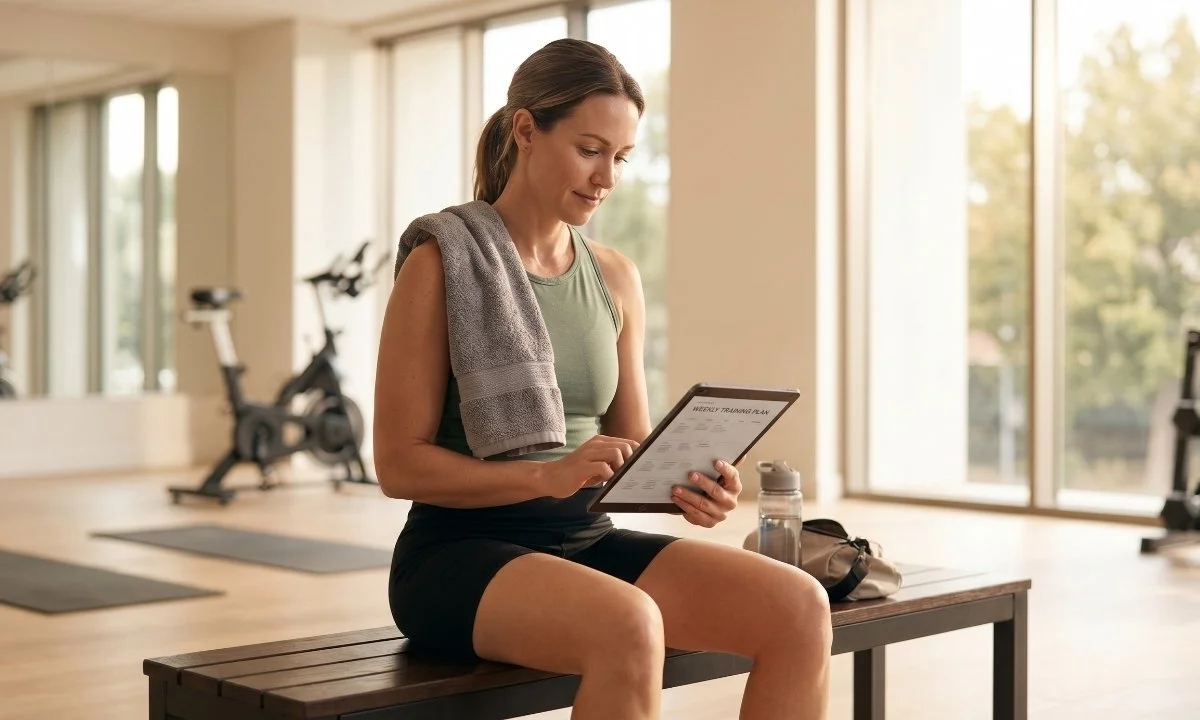
The good news: you don't have to choose. Structuring a week that includes both can accelerate your results while reducing injury risk.
Here's a sample weekly split:
Monday: HIIT (30 minutes, full body)
Tuesday: Indoor cycling (45–60 minutes, moderate intensity)
Wednesday: Active rest or yoga
Thursday: HIIT (30 minutes, lower body focus)
Friday: Indoor cycling (45–60 minutes, interval ride)
Saturday: Optional - light cycling or mobility work
Sunday: Full rest
This structure ensures you hit both energy systems, avoid overtraining, and build toward well-rounded fitness
The Role of Recovery
One often-overlooked factor in the indoor cycling vs. HIIT debate is recovery demand.
HIIT places significant stress on your central nervous system. Training at maximum intensity more than 3 times per week without adequate recovery can lead to fatigue, poor performance, and increased injury risk. Most fitness professionals recommend 48 hours of recovery between HIIT sessions.
Indoor cycling, being lower-impact, allows for more frequent training. Many dedicated cyclists ride 5 or even 6 days per week without significant recovery issues - provided nutrition and sleep are on point.
Key takeaway: If your schedule is irregular or sleep is limited, indoor cycling may be the more sustainable daily option. Use HIIT as a high-value tool, not your only tool.
FAQ: Indoor Cycling vs. HIIT
Q: Can beginners do HIIT safely?
Yes - with modifications. Beginners should start with lower-impact HIIT options (e.g., step-backs instead of jump squats, slow mountain climbers) and focus on mastering form before increasing speed or intensity. Starting with 2 sessions per week and building gradually is the safest approach. Working with a certified fitness coach ensures your technique is correct from day one.
Q: How many calories does indoor cycling burn compared to HIIT?
A 45–60 minute indoor cycling session burns roughly 400–600 calories depending on body weight, resistance, and intensity. A 30-minute HIIT session burns approximately 300–500 calories during the workout - but the afterburn effect adds an additional 6–15% calorie burn over the following 24 hours. Over a full day, the total calorie expenditure from both workouts is comparable.
Q: Is indoor cycling or HIIT better for people with knee problems?
Indoor cycling is generally the safer option for people with knee concerns. Because your body weight is supported and the movement is non-impact, there's significantly less stress on the knee joint. HIIT workouts that include jumping, lunging, or rapid direction changes can aggravate knee issues. Always consult a physiotherapist or certified trainer before starting a new program if you have existing joint concerns.
Q: How often should I do HIIT per week?
Most fitness experts recommend 2–3 HIIT sessions per week for the average adult. Any more than that without adequate recovery can lead to overtraining, elevated cortisol levels, and diminishing returns. On non-HIIT days, lower-intensity activities like indoor cycling, walking, or yoga support recovery while keeping you active.
Q: Will indoor cycling help me lose belly fat?
Indoor cycling contributes to overall fat loss - including visceral (belly) fat - when combined with a calorie-controlled diet. It's not possible to "spot reduce" fat from specific areas through exercise alone. However, consistent cardio like cycling, paired with proper nutrition, creates the calorie deficit needed for fat loss across the whole body over time.
Conclusion
There's no universal winner in the indoor cycling vs. HIIT debate - only the right choice for your goals, body, and lifestyle. Indoor cycling excels for low-impact endurance, sustained calorie burn, and joint-friendly training. HIIT wins on efficiency, afterburn, and full-body conditioning. For most people, the smartest strategy is to use both intelligently rather than committing to one exclusively.
The key is to start, stay consistent, and progress over time. Whether you're clipping into a spin bike or dropping into a burpee, the workout that aligns with your goals and keeps you coming back is always the best one.
Ready to find the right workout for your goals? At Anchor Health and Fitness Centre, our certified coaches will build a training plan around your body, your schedule, and your targets - whether that's cycling, HIIT, or a strategic combination of both.Book a free consultation today and take the guesswork out of your fitness journey.
